

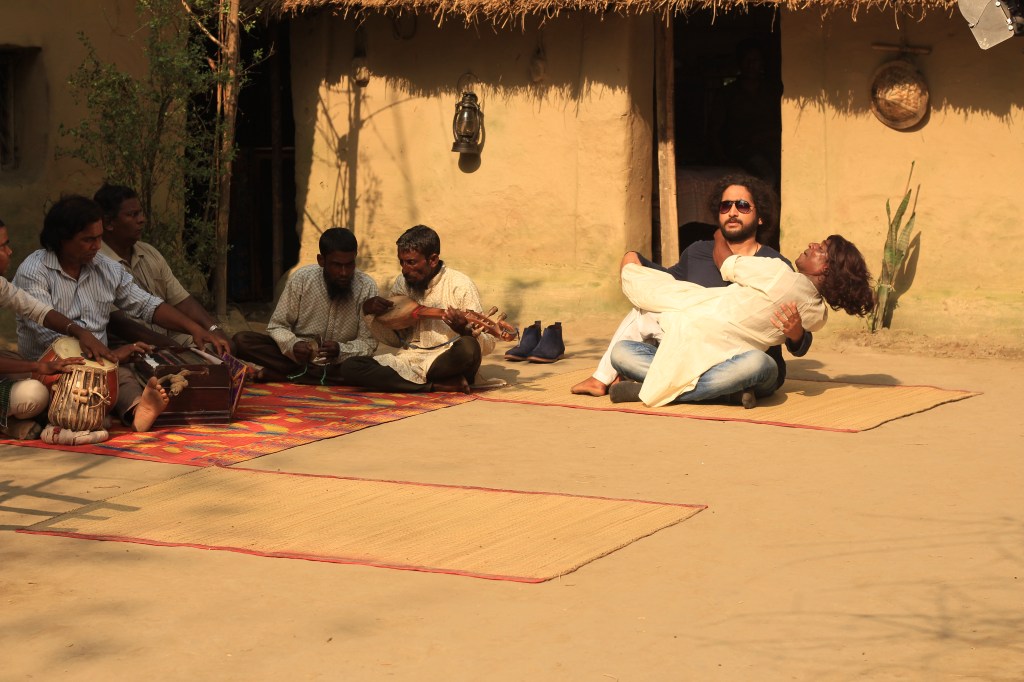
The allure of intangible cultural heritage is a siren’s song that transcends borders, beckoning the dedicated and curious to dive deep into the currents of history and tradition. A little over a decade ago, I found myself irresistibly drawn into its fold in Paris, with the sonorous notes of Bengali language echoing in my ears, a gift from my esteemed mentor at INALCO, National Institute of Oriental Languages and Civilisations, Paris, Philippe Benoît who wanted me to interpret the songs of Patuas for the Festival de l’Imaginaire by Maison des Cultures de Monde, Paris. The journey began with the Chitrakars of Bengal, India, whose scroll paintings spoke of narratives passed down through generations. My father, whose life revolved around the preservation of Bengali folk arts, lit the torch of this exploration.
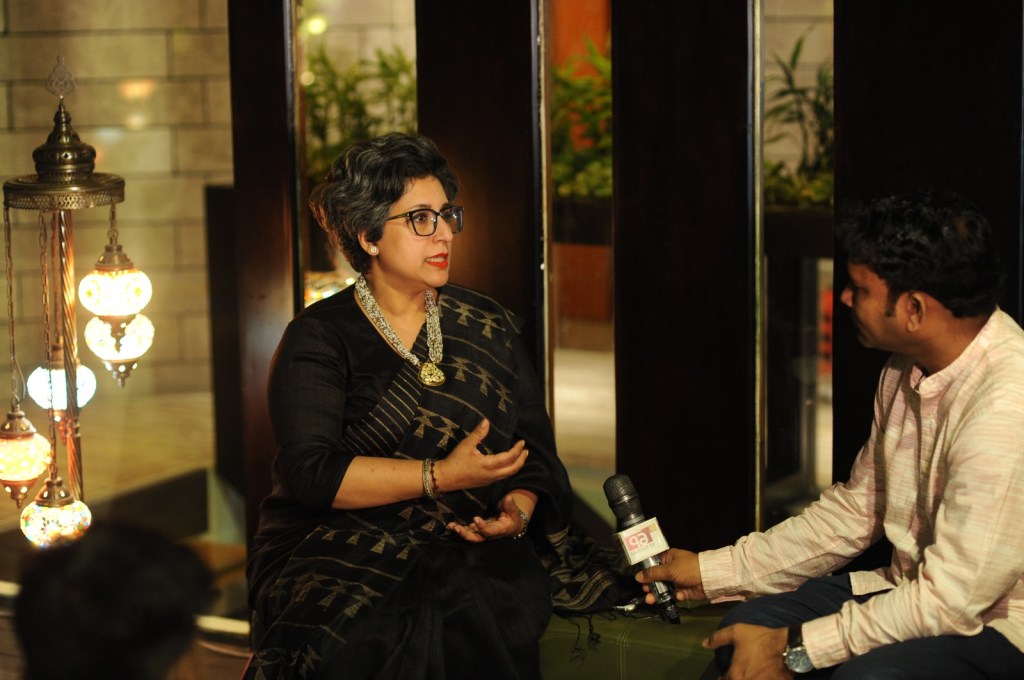
France, where I’ve spent over seventeen years, presented a different tapestry of heritage. While the vibrancy of Indian culture beckoned from a distance, the melodies of French folk traditions were slowly fading away. While doing my diplôme supérieur at the Alliance Française du Bengale in 2005-06, my research on Lyon, a city renowned for its handloom culture, unveiled the melancholic tale of the extinct Canuts, the iconic handloom weavers. The Maison des Canuts stands as a silent testament to this lost craft. But not all is lost; tucked away in the alleys of Aix en Provence, a city I lived for more than two years, is the Oustau de Prouvènço, fiercely guarding the culture of La Provence.
France’s tumultuous past has muted its indigenous voices, creating a homogeneous soundscape. My naiveté as a young Indian lad, enamored by the French language, was shattered by the chilling accounts of the Bretons, whose native tongue was suppressed in their own land. However, like the phoenix, France is re-emerging, with regions now celebrating their unique cultural identities. The tides are turning; France is hearkening back to its roots.
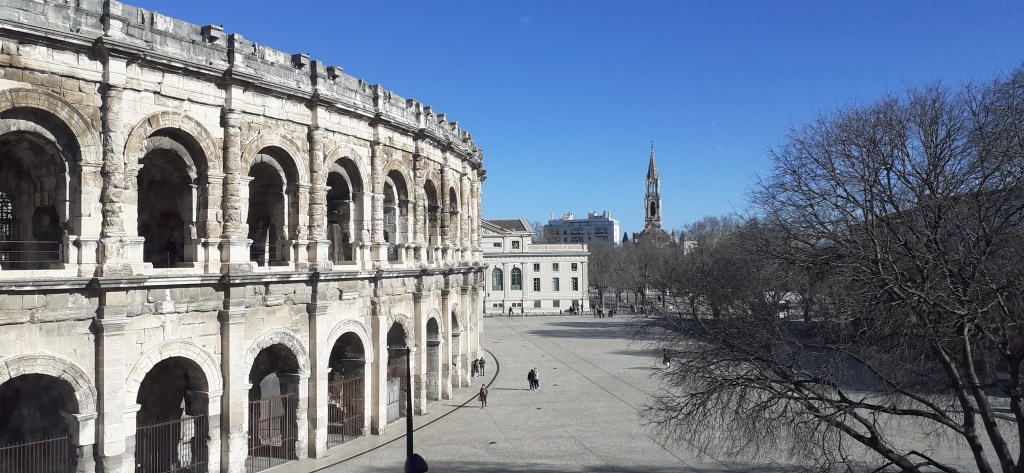
My adopted homeland is seeing a resurgence in its regional cultural heritage, as local governments invest in cultural projects, and residents take pride in showcasing their native customs. At this juncture, « Ajob Karkhana, Song of the Soul, » a Bangladeshi film directed by Shabnam Ferdousi and produced by Samia Zaman, has its festival screening in Paris. As I watched the film, memories flooded back – memories of my father, of Calcutta’s Gurusaday Museum, and of the arts I so ardently practiced yet left behind.
Join me in this ensuing dialogue with the film’s producer, Samia Zaman, as we delve into the intricacies of preserving our shared global heritage. This isn’t a review or criticism, but an invitation to understand the challenges faced in holding onto our past while navigating the currents of the present. Dive in, and as the French say, « Bonne lecture! »
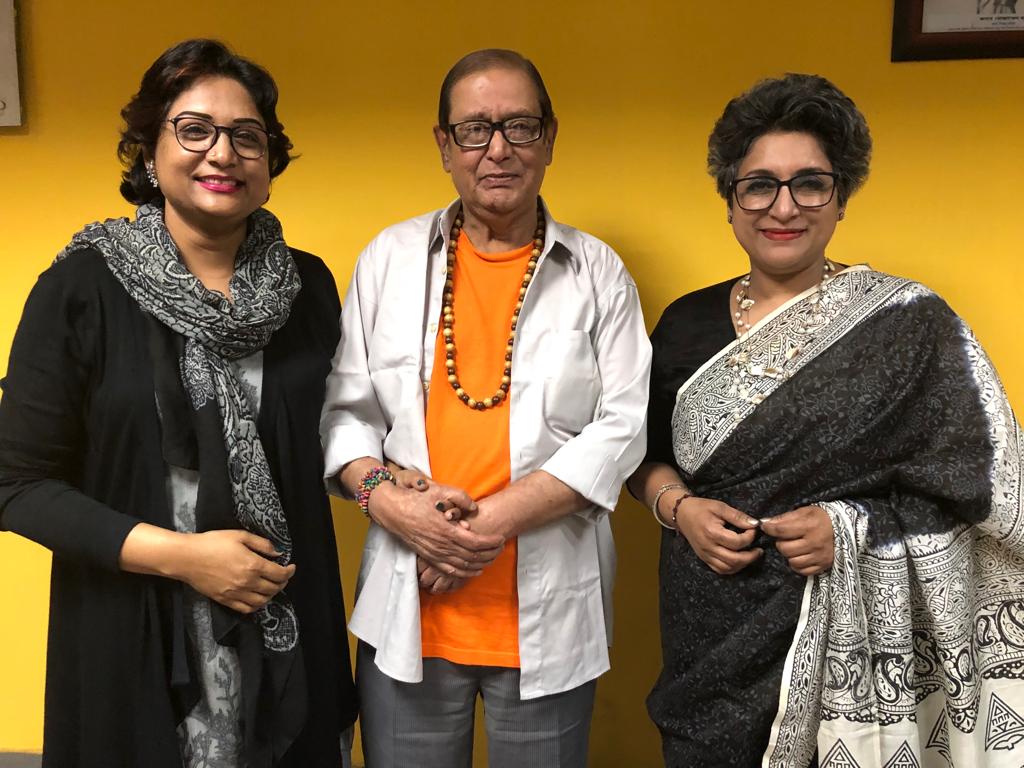
From left: Director Shabnam Ferdousi, Poet and Lyricist Helal Hafiz and Producer Samia Zaman
Writtwik: What inspired you to create Ajob Karkhana, a film focused on preserving the folk music of Bangladesh?
Samia: The idea of the film came from a television show I was producing for Ekattor Television of Bangladesh, where I was the editor as well as the CEO. Shabnam Ferdousi created and directed this show which contained the seed of this film.
A popular pop singer was taken to a village setting; he interacted with the local singers and was the presenter of the show. We noticed the confidence of the local singers. They were in their elements, sure of their craft and sure of their relationship to their land, their surroundings.
In comparison, our popular musician seemed unsure, out of place and in a bit of awe of the singers who are completely unknown in the urban sophisticated Dhaka. Shabnam got this epiphany and started on writing up the idea. When she approached me about it, I immediately got on board. I encouraged her to finish the first draft of the script and applied for a grant from the Bangladesh Government to produce the film, which we received in time. I was already committed to work to preserve various cultural elements of Bangladesh though my TV commissions.
The original TV show later got a new incarnation where the urban presenter role was dropped, as we discovered the musicians are quite capable of telling their own stories. On the other hand, I am very aware of the rapid changes that are taking place in Bangladesh. People are resilient and flexible, resulting in being open to many changes in their lives. Some are beyond our powers like the forces of globalisation and the weight of the colonial history. Anyway, change is inevitable. So I was convinced of the philosophy of the film, that we are intrinsically connected to our land, heritage, and history. At the same time documentation of these transient, disappearing and irrevocably changing art forms seemed urgent and necessary. Music, especially folk music is intrinsic to the sense of Bengaleeness I think. The journey and the place of music in present day Bangladesh has many socio-political layers. All the above and the strength and uniqueness of the storyline, which I was already privy to, made me undertake this, which later proved to be a formidably challenging production.

Writtwik: Could you share your main message or intention behind this docu-fiction film?
Samia: Let me clarify first, the film is not a docu-fiction. This film has many real characters; primarily the folk singers; the film itself is a work of fiction though.
Message is a word I struggle with. I don’t know the film is trying to convey any fully formed message. The impossibility of traversing the same path twice may be. Or how we are all looking for that nostalgic past, the life we leave behind when we fit our selves to the new, shiny, modern life? I think the film will speak to the individual audience according to their own sensibility and history. In this shifting landscape of life, the folk musicians seemed most anchored and sure of themselves and their art.
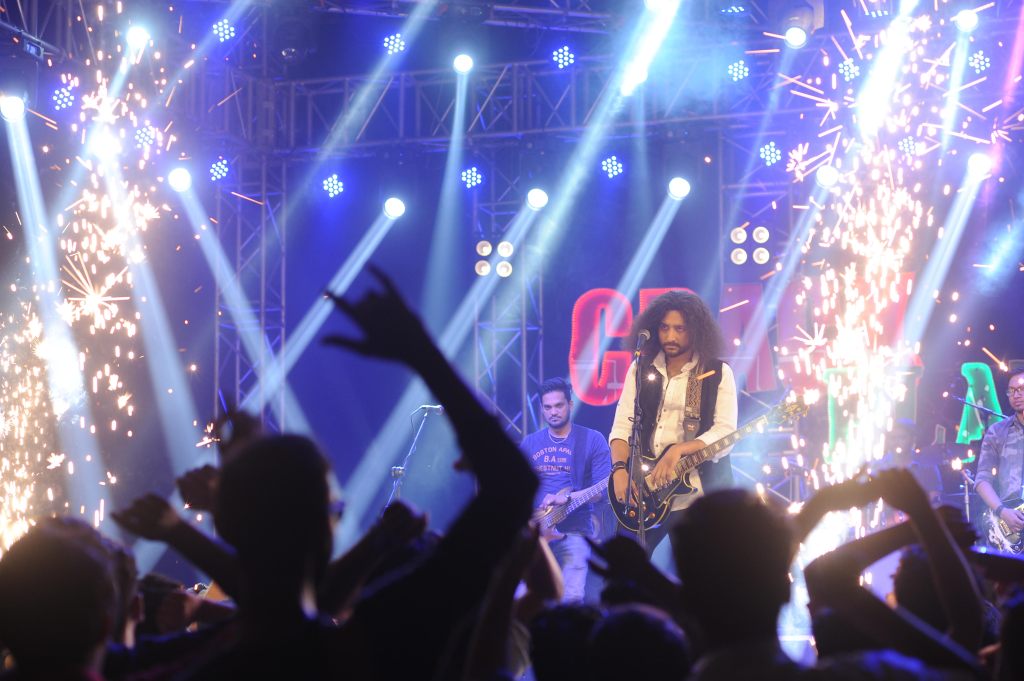
In the middle of this Ajob Karkhana of life; they have found their place. They are in touch with their inner being, the true self. When the elderly singer Helim Bayati says, his feet keep rhythm even when he sleeps; he himself recognises that he may have gone towards some pure music body and soul. The main protagonist will probably try and find a music true to himself by the end of the film; and live a more authentic life. Authentic, mindful these kinds of new age speak, seem to come naturally to our philosopher-musicians who practice folk and embody literally thousands of year-old connection to their surroundings and liveliood.
Writtwik: In a world increasingly influenced by global culture, how do you see the importance of preserving traditional and folk cultures?
Samia: I may have already partially answered this. We need to be clear what we mean by global culture. Rather, which elements of global culture we are talking about. Beatles; Michale Jackson, Beyoncé? The behemoth of Hollywood and now Bollywood too? K-drama? The way we speak in English as Lingua franca and increasingly encouraged or pressured to even think in Anglo-Saxon terms or some other dominant cultural economic force? What is the political economy of this global culture who are the producers and who are the consumers? Was Ravi Shankar a symbol of Global culture or did he eventually was consumed by the West and eventually became a curiosity item?
In the long term, can a consumer influence a producer? I think; when we start to analyse these questions; the importance and gravity of the task, of trying to preserve cultural practices in their original form as well as documenting the evolution and inevitable changes become paramount. Also, this cannot be an anthropological exercise. The practitioners need to be part of the story telling and the documentation project. Who is telling whose story and for whom? None of us are free if these dichotomies and inconsistencies but an honest effort is a must, Role of traditional and folk is yet another discussion altogether. There’s a class aspect to it maybe. In Bangla music one could argue traditional music has been fossilised while the folk is now being repackaged to the extent it will be unrecognisable.
Writtwik: Can you elaborate on the concept of intangible cultural heritage and its significance in your film?
Samia: Apart from the obvious ones like talking about various music forms; the film touches on references many other ‘endangered’ forms too. By the way, in Ajob Karkhana; we managed to touch on only a few music forms of current day Bangladesh. Lalon is a linchpin of this film; and not only his music rather his philosophy; so he had to be there. But we could not accommodate a larger-than-life Hason Raja, who deserves a film himself, women group, and individual performers like Dhamail, and literally hundreds of music forms still existing in Bangladesh. But quite apart from folk music, the film talks about poetry; how quotable and immensely popular lines of Jibanananda is completely unknown to the new young TV assistant producer. Another layer of poetry documentation took place in this film! We had the amazing opportunity of using several Helal Hafiz poems.
Writtwik: Regarding the film’s marketability and business development, how do you plan to reach a wider audience and ensure its success through distribution channels?
That is a challenge facing us. And I suppose many independent films, the marketing plans for Bangladesh is market specific. We hardly get revenues back through hall ticket sale » multiple reasons – screen number gone down; single screen cinemas throughout the country either shutting down or only show ‘big’ films. We try get sponsorship in various forms. It will depend on a successful partnership. Next step selling to OTT (Over the Top) platforms and television. Internationally, this is an independent film from Bangladesh. So, our first target audience will be worldwide Bangla speaking audience and the distribution targeting this segment of the audience is still quite patchy.
Regardless of that, a kind of informal distribution network of Bangla films is spreading, and we hope to be able to use that existing and, in some places, burgeoning distribution network to reach worldwide Bangla speaking audiences. In the early days of worldwide Hindi film distribution, it was a model; nowadays, Hindi films and films from the South are regularly getting worldwide release. I am not talking here about the blockbusters like Jawan. Much smaller films are regularly getting release.
UK and US naturally have more of this network, but this is happening in other places too. Bangla films are just beginning to have regular releases. Few boutique distributors are coming ahead. I believe we shall have a strong diaspora targeted release next year.
Writtwik: Do you believe that the responsibility of supporting cinema that focuses on preserving cultural heritage lies with the state, the private sector, or both? Why?
Samia: Both. State has a big responsibility no doubt, and if there is a stated intention and purpose, they can be a great force. But private sector must be equally effective and participate in this. Sometimes, the cultural heritage in question may or may not fit government agenda, in those cases private money is vital. But even in ordinary cases, private public partnership, and separately vigorous support and funding is necessary to ensure viable choice, distribution and diversity of subject matters and personnel. I shall include public or crowdfunding here too.
Writtwik: You have been a path breaking journalist, so as a journalist who has challenged the conventional narrative, how difficult is it to speak truth to power to a conflict ridden West, especially coming from a region like Bangladesh?
Samia: It is not difficult only it is almost impossible. West has its own narrative and often cannot hear or see other that what they perceive. An inevitable outcome of the colonial legacy is a substantial number of people from our regions, and many of them are in the cultural sectors as part of the privileged intelligentsia are Western educated or at least follow a Western curriculum. As a result, we also see ourselves through an eye which is not entirely ours. It’s a dilemma. Purity of point of view is impossible, almost difficult for the colonised. Every region (not necessarily nation state) has its own reality and history. We need to reconcile those within us, and only then we can effectively communicate with others.
Writtwik: What parallels or differences do you see between your work as a journalist and your role as a film producer in shaping perceptions and narratives?
Samia: There’s lot of similarity. One must be focused in the middle of cacophony of the production process. I have done a lot of highly charged live television. Film making is not much different. Film has more longevity I suppose. With super-abundance of visual material around us, it may not seem so always. Shaping perception and narrative is a huge task, and news sometimes can be remarkably effective in that too. Can film, do it? I believe it can, but the changes need to take place on the greater society, and many factors are needed to make change happen. Film is but a small part of it.

Ajob Karkhana, Song of the Soul, Bangladesh
A film by Shabnam Ferdousi
Produced by Samia Zaman
Festival Ganges sur Seine, Paris
GANGE SUR SEINE festival de cinéma indien (lelincoln.com)
En savoir plus sur Serendipity
Abonnez-vous pour recevoir les derniers articles par e-mail.

 Serendipity