My unique experience across French and Indian cultures provides a rich backdrop for understanding how soft power and geopolitics interact to shape international dynamics. Having lived, worked, and engaged in high-level consulting in France, and with deep roots in India, I bring a balanced perspective to the intricate dance of international relations. This section explores how nations like France and India leverage their cultural heritage and diplomatic strategies to enhance their global standing.
In this combined section, I will explore the strategic deployment of cultural initiatives, media representation, and educational exchanges, examining how these elements of soft power influence geopolitical shifts and relationships. The focus will extend beyond the bilateral ties between France and India to include their interactions with Europe, a region often underrepresented in Indian geopolitical discourse.
By sharing insights from my experiences and facilitating a platform for dialogue, this section aims to deepen understanding of how cultural and political forces converge to forge stronger, more nuanced international bonds. Here, readers are invited to engage with the complexities of soft power and its potent role in contemporary global affairs, reflecting on how nations can effectively navigate the currents of cultural influence and power politics.
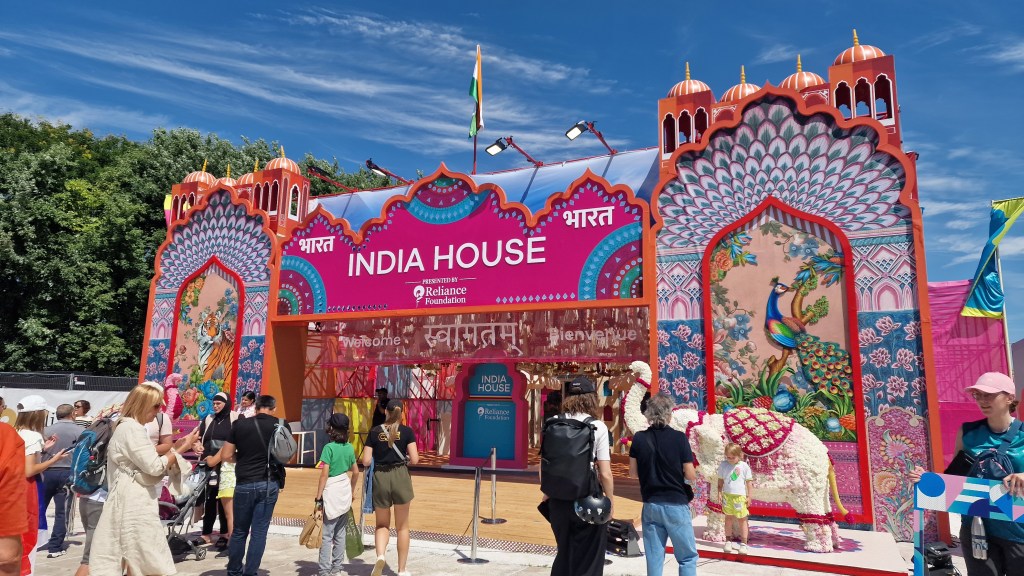
Entrance of the Indian Pavillion at Cercle de la Prairie Nord, La Villette
As a non-sporty Indian, hailing from a cricket-crazy nation, sports never really caught my fancy until I turned thirty in Paris, surrounded by fashion-obsessed friends from the Left Bank. After a series of personal setbacks, I decided to channel my energy into getting fit, and the announcement that Paris would host the 2024 Olympics became a personal deadline. Seven years later, I find myself at the Prairie du Cercle Nord in La Villette, savouring the delights of the Indian Pavilion’s food court. Yes, the food court—where the tantalizing thalis, vada pav, chaats, and kulfis have drawn me into a delicious affair that has been hard to resist.
Murmure or Bhelpuri, puffed rice mixed with savoury snacks and tamarind juice
I owe a hearty thanks to the Ambanis, not only for being the talk of the town but for offering us the NRIs a taste of India that feels like home. Our nation might be synonymous with cricket, but we’re also a land where food reigns supreme. Who needs a bat when you have a bowl of dal bati? Jokes apart.
The India Pavilion, unique in the history of the games, is a vibrant showcase of India’s cultural heritage, visible from across the park. My entry was seamless, thanks to pre-booked tickets, and I was immediately struck by the volunteers in their beautifully designed kurtas, reflecting centuries-old Indian motifs once admired by the Royals of Versailles. These volunteers, exuding grace and style, set the tone for what was to come.
The pavilion’s entrance is nothing short of royal, with elephants on either side and flower hangings (jhalars) creating a canopy that evokes a traditional mandap. Inside, I was greeted by a dapper volunteer whose style could rival any Bollywood star—a reminder that the essence of India lies in its people.
Volunteers wearing designer kurta
The recent snap election in France resulted in significant political shifts: President Macron’s Renaissance party came second, the National Rally led by Marine Le Pen came third, and the Left coalition emerged victorious. Today, as the city gears up for its first Olympic games in a hundred years, we find ourselves with a presidency sans executive. This political landscape adds a layer of complexity to the Olympic preparations, as it reflects a nation in flux. The ongoing Olympic Games in Paris have sparked numerous controversies as well, highlighting the inextricable link between politics and global events. France’s journey as the 2024 host has been marked by both pride and polémique.
Living in France for over eighteen years, I’ve grown accustomed to the French penchant for critical introspection. The opening ceremony aimed to restore France’s reputation as a soft power champion, but it also stirred debates, especially with the provocative portrayal of the Last Supper that upset many Christian groups.
In the midst of these controversies, we witnessed a wide range of reactions. Aya Nakamura faced racist slurs, highlighting the persistent issues of race and identity in France. On the other hand, Céline Dion’s comeback performance struck an emotional chord with many, showcasing the unifying power of music. These events underscore that soft power is far from gentle; it is a potent force of influence and expression.
As André Malraux suggested, « Our art culture makes no attempt to search the past for precedents, but transforms the entire past into a sequence of provisional responses to a problem that remains intact. » This notion of transformation and response is central to the cultural displays at the Olympics.
An Olympic enthousiast at La Villette infront of the French Pavillion, Club France
Initially, I contemplated leaving the city like many Parisians, but the allure of experiencing the Olympics firsthand was too strong. This year, India is represented by 117 athletes across 16 sports disciplines, competing in 69 events for 95 medals. The significant presence of Indian athletes and dignitaries underscores India’s growing global footprint.
The India Pavilion, curated by the Reliance Foundation, is not just a cultural showcase but a statement of India’s soft power. It offers a visual and experiential delight, reflecting India’s rich traditions and contemporary innovations. As I explored further, I was drawn to Swadesh, the luxury boutique created by Neeta Ambani, which highlights India’s exquisite craftsmanship.
Entrance to Swadesh by Reliance Foundation
Coming from a family where I was literally spoon-fed with the intangible cultural heritage of Bengal by my parents, the core idea of Swadesh is perfectly relatable. Preserve, protect, and promote the artisans and their crafts while making them visible globally.
Thanking lucky stars to have friends who agree to pose for the photo op!
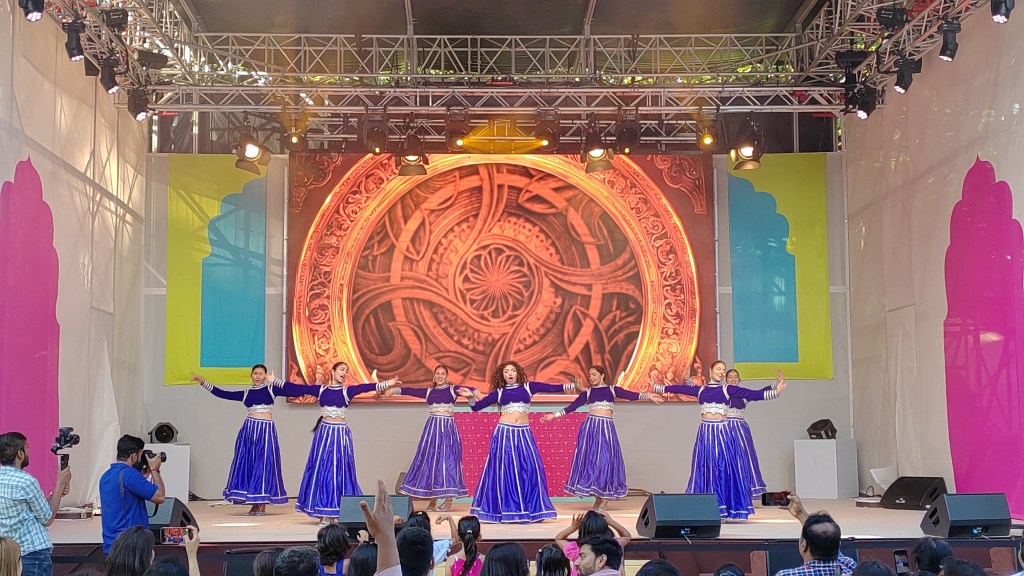
From patachitra to brass objects, passing by luxurious percale, upholstery, sarees, and carpets, the standalone boutique has brought every single treasure of India under one roof. Now, whether the pavilion itself, where people are mostly drawn to food and Hormudz Khambata’s Bollywood Troupe’s magnificent performance, is the right place to showcase exquisite artefacts of India is a question that lingers in my mind.
Hormudz Khambata Dace Company
However, if viewed from a different angle, the boutique has triggered the dormant shopaholic in me. Despite my annual holidays being just days away and my desire to save money, I succumbed to my instincts. I bought baskets of crafts to feel closer to the home I left eons ago.
The Handloom brought from Kashmir
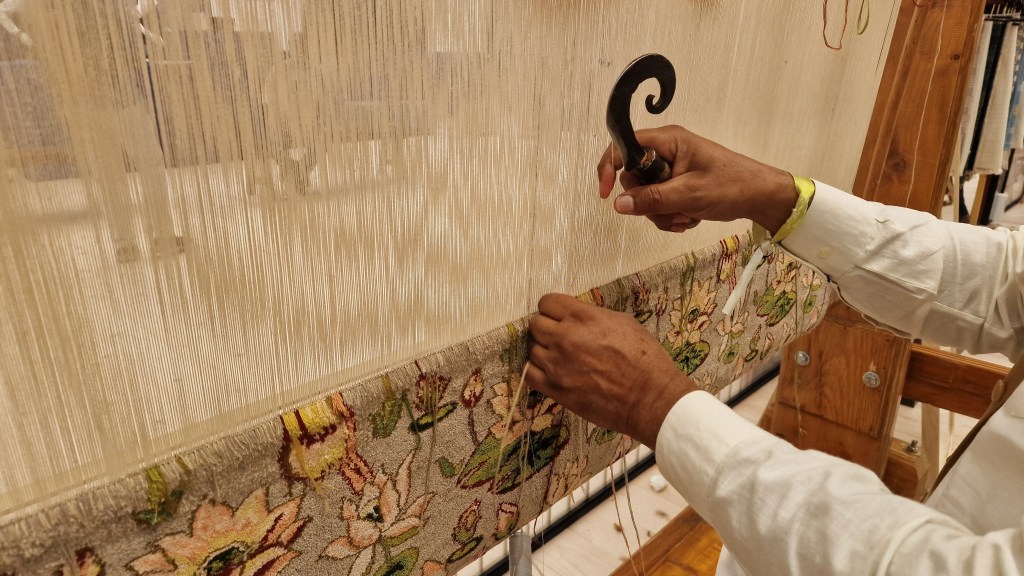
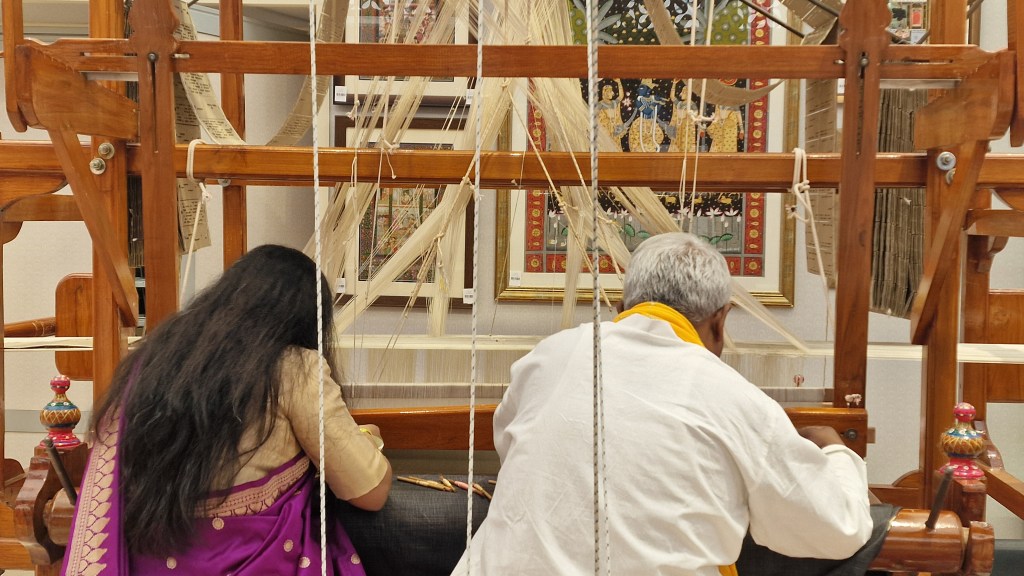
What stands out is the handloom experience brought from India. In one section, I can see weavers weaving sarees, and in another, karigars knotting carpets. The technical aspect of carpet weaving is fascinating: threads hang from a lateral bar and are connected one by one towards the lower slide.
The Carpet Karigar
The weaver works without looking at the colors, guided by coded numbers placed gracefully inside the loom. His mind detects the codes, his brain interprets the colors, and his fingers move faster than light, creating wonders with a special needle. This intricate process can take months. This craftsmanship reminds me of the Canuts of Lyon, the erstwhile silk capital of France, now extinct due to lack of governmental support.
The Saree Weavers
As I wandered through the pavilion, I became more drawn to its philosophy. Priya, the AVP and project manager of Swadesh who has been producing wonders for more than twelve years with the Reliance, helped quench my thirst for knowledge. A passionate singer herself and elegantly draped in a magnificent saree, Priya, through her unmatched skills, explained the process and objectives of Swadesh.
Priya, Assistant Vice President and Head of Interior Design, Swadesh
Her narratives drew me to the recently organized Dior Défilé in Mumbai, where it was finally acknowledged that Dior has been sourcing highly skilled crafts from India for more than thirty years.
Now, what is my takeaway at the end of the day as I head home after spending more than six hours inside the Indian Pavilion? More awareness and a resolve to make almost all the ten thousand Indian students currently pursuing their studies in France unique ambassadors of India’s time-tested heritage, which has stood strong against all attempts of disintegration. The initiatives from the Ambanis are commendable, but it is equally expected that those poised to run the country must have a solid volonté to document our rich tradition.
I believe that the State has a role in preserving both tangible and intangible cultural heritage, but these private initiatives are equally praiseworthy. Without solely focusing on for-profit ideals, they foster visibility on a grand scale.
My overall experience of the India Pavilion has been exceptional, leaving me with a deeper appreciation for India’s cultural heritage and the efforts to preserve it. But, I stay tuned for more insights and experiences as I continue to uncover the rich tapestry of India’s heritage without going to watch a single sporty event! That’s purely me.
Acknowledgement:The epmployees of Swadesh, a Reliance Foundation Initiative, the volunteers, Ms.Priya Dhananjay, Head of Interior Design Services, unknown officers and diplomats from the Ministry of External Affairs, Government of India and friends and well wishers from the Paris Olympics Committee. Views are personal.
Frankly speaking, as a writer, my pen is driven not by commissions but by a profound connection to certain topics and social issues. This personal approach means I sometimes find it challenging to venture beyond the boundaries of what’s familiar to me. I could have easily wrapped up my engagement with the energy transition summit after my last two posts and moved on to the next story in my arsenal, but there’s more that needs to be said.
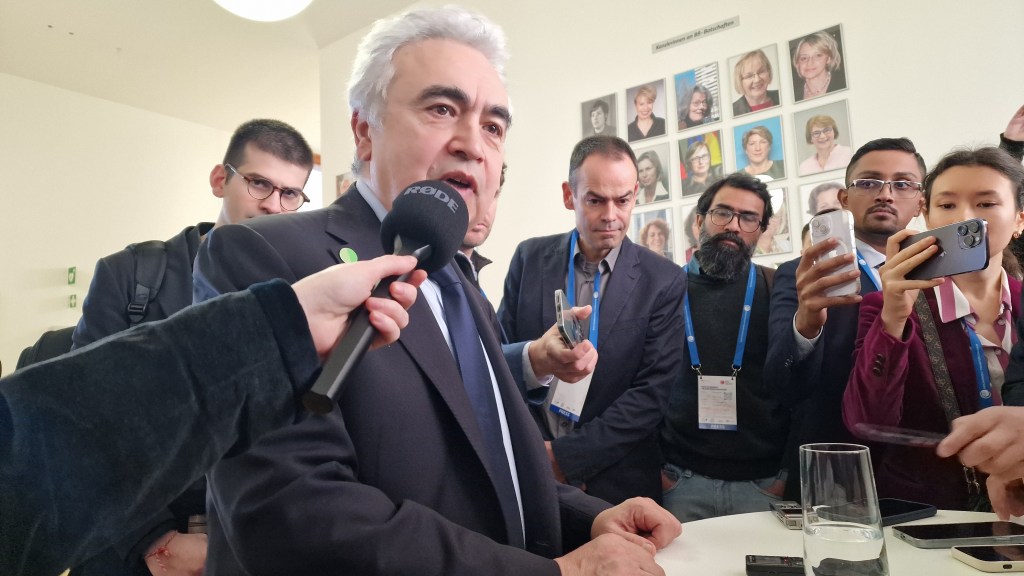
As I reflect on the recently concluded energy summit, a familiar adage comes to mind: time heals all. Indeed, in the hustle of life, the urgency of our planet’s climate challenges might slip from our immediate concerns, despite earnest calls for action, such as those from Dr. Fatih Birol, Executive Director of the International Energy Agency. Yet, amidst this ebb and flow of urgency, I can’t help but share my experiences from the Berlin Energy Transition Dialogue, a rendezvous that encapsulated more than mere discussions—it was a platform for action.
Presse Conference of Dr.Fatih Birol, Executive Director, Internaltional Energy Agency, Berlin Energy Transition Dialogue 2024 in Berlin, 19.03.2024. Photo: Writtwik
Through the power of visual imagination, picture a scenario where leaders from more than 75 nations converge, not for idle chatter but to earnestly address one of the gravest challenges of our times—the future of our planet’s energy. This wasn’t just another conference. Here, the ambition was crystal clear: a colossal task to triple our renewable energy capacity by the year 2030. It felt like we were collectively setting out to conquer three Mount Everests, having just scaled the first.
But here’s the crux: Despite a record year for renewable energy installations, we’re still trailing on this ambitious path. The Dialogue was more than an acknowledgment of this gap; it was a call to bridge it effectively.
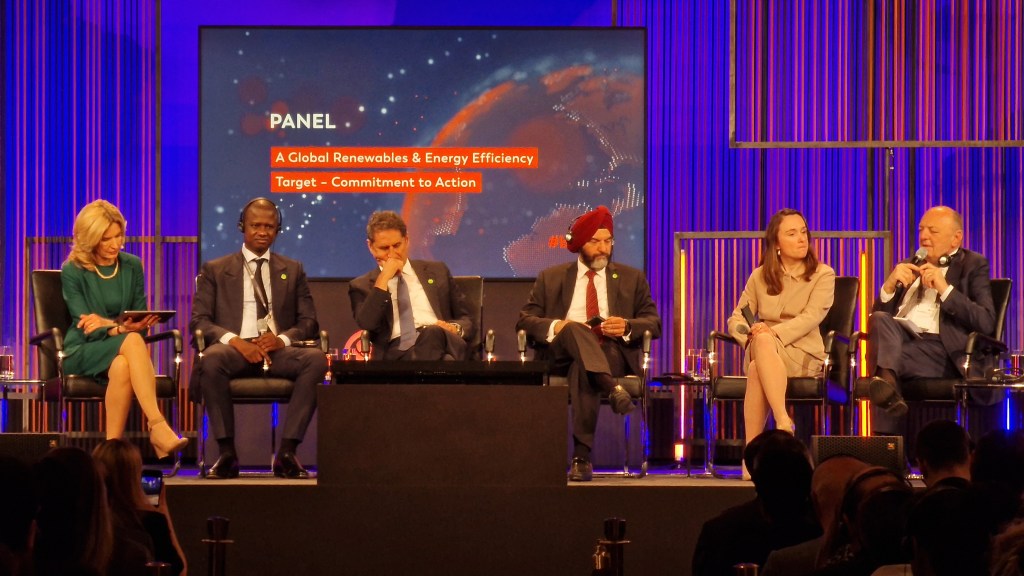
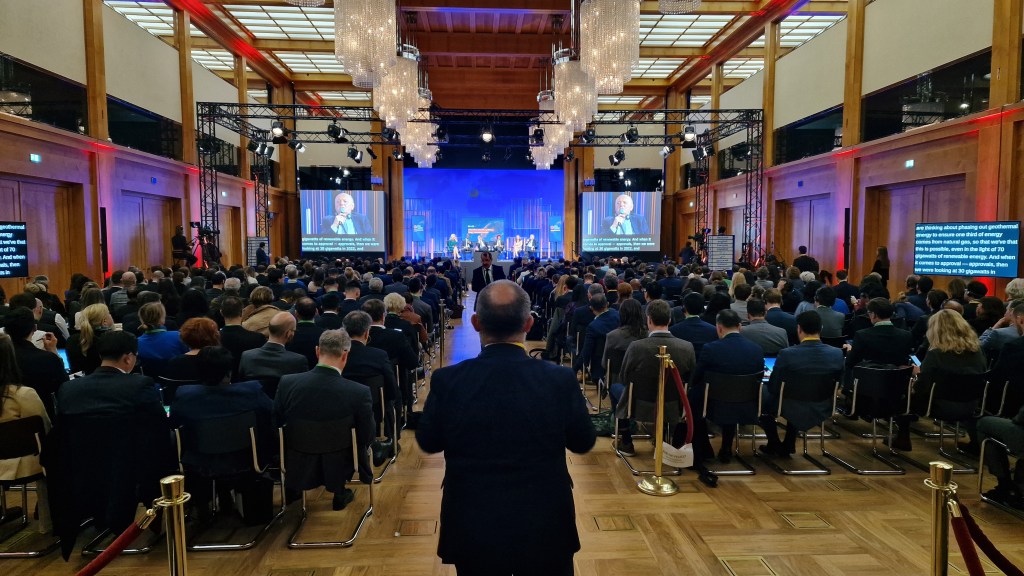
Inaugural Address, Berlin Energy Transition Dialogue 2024 in Berlin, 19.03.2024. Photo: Writtwik
What set this conference apart was its focus on tangible outcomes. It wasn’t just about discussions; it was a crucible of action—think of it as a global workshop where brilliant minds converged to forge a sustainable future. Take, for instance, Ndiarka Mbodji, the dynamic CEO of Kowry Energy. Her pragmatic approach to making energy transition plans a reality is akin to charting a map for others in this unchartered territory.
The dialogue didn’t just revolve around saving our planet; it also underscored the critical economic facet, from creating job opportunities to illuminating millions of homes still in the dark. German Foreign Minister Baerbock’s remarks encapsulated the essence of this race towards renewable energy—not just an environmental quest but a marathon for economic and technological supremacy.
Amidst these discussions, a clarion call for global investment resonated through the halls, akin to a worldwide crowdfunding initiative for the planet, where each contribution, big or small, counts.
This story, however, extends beyond Germany’s borders. It’s a global narrative where countries contribute their unique strengths and knowledge towards a collective goal. We’re not just aiming for a distant target by 2030; we’re collectively striving to reshape our world.
Inaugural Address, Berlin Energy Transition Dialogue 2024 in Berlin, 19.03.2024. Photo: Writtwik
Yet, life goes on, and as it does, I find myself engrossed in Netflix’s « Three Body Problem. » Its slow-paced storyline is a stark contrast to the rapid pace of global climate action. As someone who writes when a topic resonates deeply, continuing this narrative might seem unorthodox. But, in the spirit of honest discourse, I feel compelled to dig deeper.
Frankly speaking, as a writer, my pen is driven not by commissions but by a profound connection to certain topics and social issues. This personal approach means I sometimes find it challenging to venture beyond the boundaries of what’s familiar to me. I could have easily wrapped up my engagement with the energy transition summit after my last two posts and moved on to the next story in my arsenal, but there’s more that needs to be said.
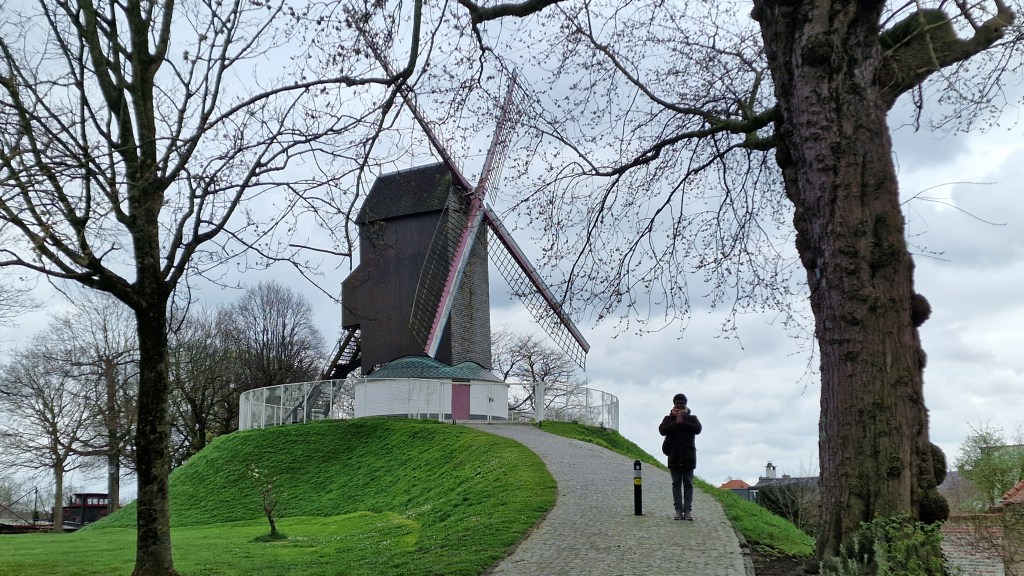
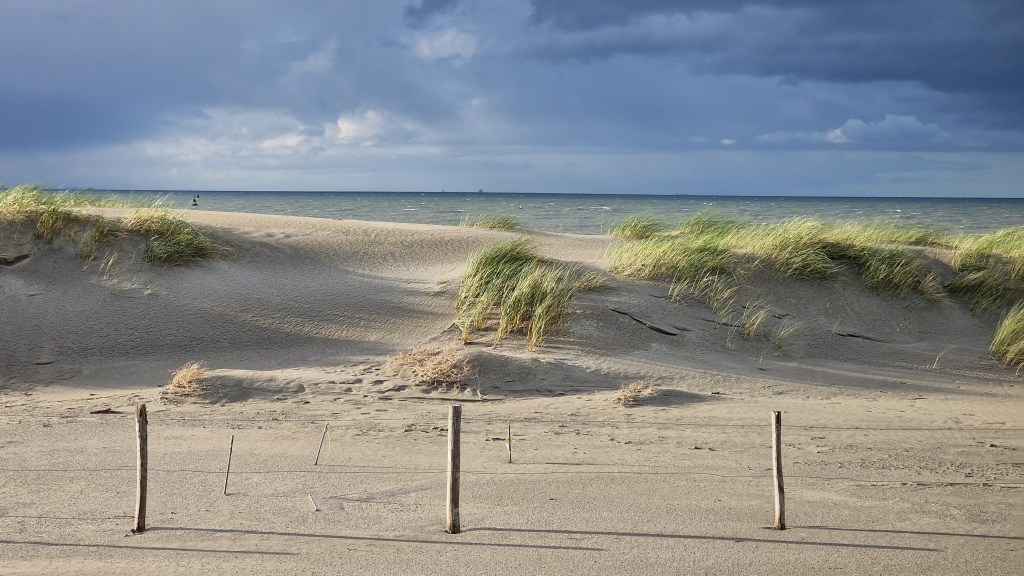
Ostende, Flanders, Belgium, Photo: Writtwik
Reflecting on my own journey, I am reminded that my initial engagement with climate issues didn’t naturally stem from my upbringing. In the rhythm of an Indian household, life often follows a script that’s less about global issues and more about the daily cycle – you wake up, go to work, come home, eat, sleep, and repeat. You’re expected to adhere to societal norms – pray when you should, follow the path laid out for you, and one day, perhaps unceremoniously, exit the stage of life, incognito. Breaking free from this pattern to embrace a larger cause, like climate awareness, required me to consciously step out of this cycle and look at the world through a different lens.
In our Kolkata home, even considering the weather was something we rarely had the luxury to do. My mother worked tirelessly, always striving to provide more than what she had, so that we could lead a happy and healthy life. The monthly expense of my grandmother’s medicines, often exorbitant, pushed trivial concerns like the weather to the far edges of my mind, replaced by a yearning for a respite from life’s relentless demands.
In stark contrast, my father had crafted his own niche, a haven of sorts, where he found his contentment. His life was profoundly influenced by the Bratachari Movement, started by Gurusaday Dutt, a civil servant from the British Raj era. This movement wasn’t just a gathering; it was a platform for awakening awareness, nurturing a sense of brotherhood, and preserving the rich, intangible cultural heritage of undivided Bengal.
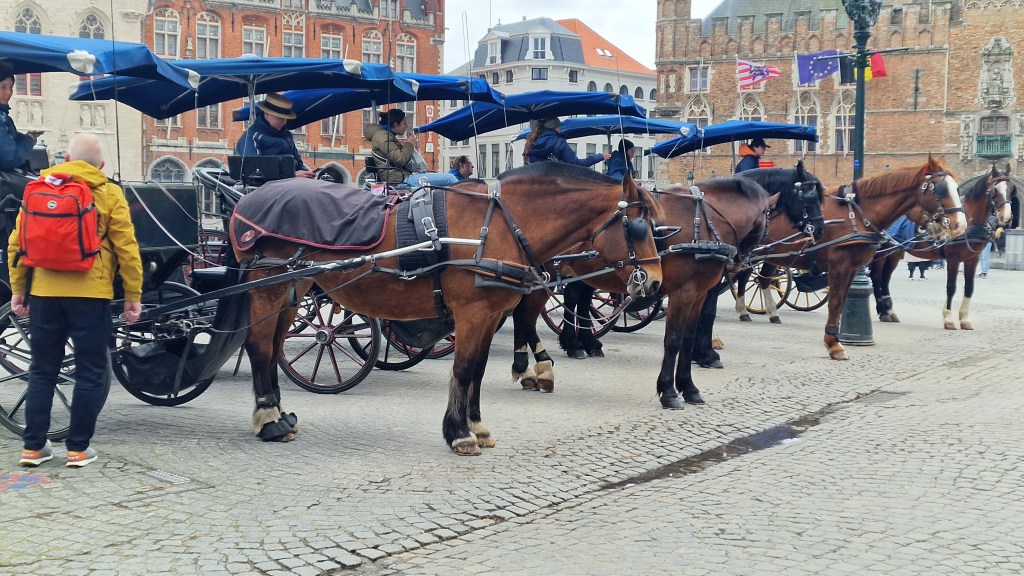
Bruges, Flanders, Belgium, Photo: Aniruddha Barua, London, United Kingdom
My early years were immersed in the principles and activities of this movement, especially during the Christmas holidays at the Bratachari Camp in Thakurpukur, located on the southern fringes of Kolkata. There, as opposed to our everyday life where the weather seldom crossed our minds, we engaged in nurturing our surroundings and establishing a connection with nature. It was a time to embrace our roots, to bask in the pride of ‘Shonar Bangla’, the Golden Bengal. This juxtaposition of the everyday struggle for survival at home against the backdrop of the enriching, nature-centric life at the camp significantly moulded my perspective on life. It confused me.
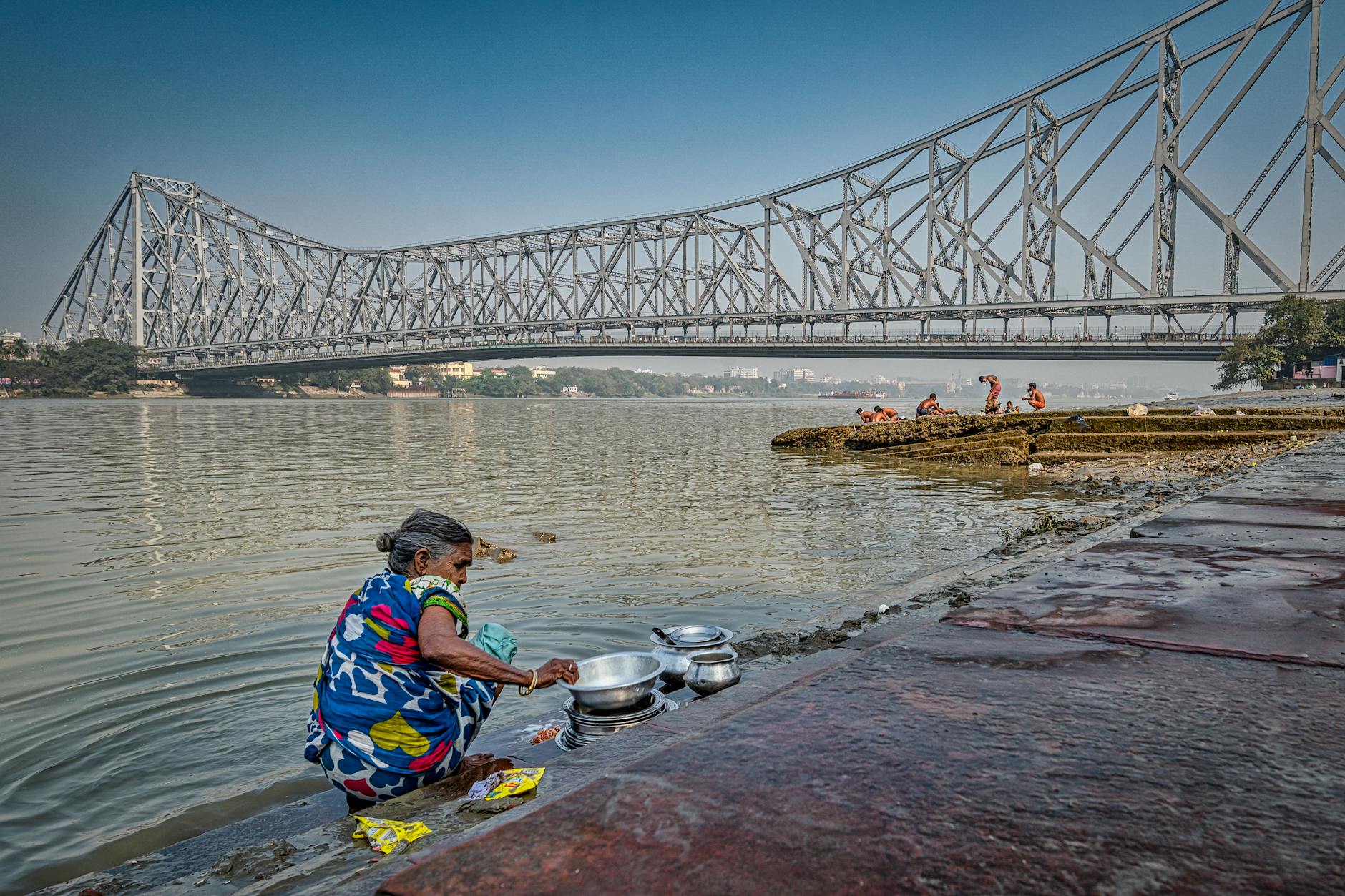
My father and my sister at her wedding, Kolkata February 2024, Photo: Writtwik
The mix of experiences from my childhood, oscillating between the mundane and the culturally rich, was something I found intriguing, though I never felt compelled to unravel it. Yet, as I grew older and encountered some unexpected realities, my sense of concern deepened. This prompted a shift in focus; I began to seek connections with friends, family, clients, and collaborators to understand their perspectives on climate change.
Living in Paris, it often feels like we’re in a maze regarding our role in addressing climate concerns. We find ourselves caught in a whirlwind of media-induced guilt, though we’re far from being the sole architects of these global challenges. The narrative is often skewed, painting us as the culprits, when in reality, our contribution to these issues is considerably smaller.
One of my clients recently shared with me his simple desires: a warm room to wake up in, a hot bath, an organic but affordable breakfast, a meaty lunch, a soothing cup of organic green tea upon returning home, followed by a dinner of quiche made with free-range eggs. This, in his eyes, is his connection to the climate issue. It’s a perspective that echoes the sentiments of many, where everyday comforts and lifestyle choices intertwine subtly with the broader climate conversation.
This is probably how my client wakes up and thinks about energy transition! Photo generated by AI
He’s content as long as his basic needs are met without stretching his means too thin. However, when the guise of climate change leads to escalating prices for essential items at local grocery stores, coupled with the media’s barrage of self-blame, it raises his awareness. This shift in perception is one of the reasons I found the Berlin Energy Summit remarkably clear and approachable. While discussions ensued and leaders exchanged pointed remarks, the summit presented these complex issues in a way that was understandable and relatable to the general public.
Bruges, Flanders, Belgium, Photo: Writtwik
As I mentioned earlier, my aim is to demystify the concept of energy transition, bringing it down to the grassroots level. This led me to get into the local fabric of France, the ‘terroir’ of its local communities, known as ‘les collectivités territoriales’. To gain deeper insights, I reached out to Cécile Raquin, the head of these local authorities, and Fabien Moigne, the Director of Risks and Prevention at the Paris Fire Brigade.
The French ‘collectivités locales’ or the DGCL acts as the main liaison for local authorities across France. It is tasked with shaping policies affecting these authorities, allocating state financial assistance to them, and setting standards for the roles of elected officials and staff. Additionally, it outlines strategic directions for national and European cohesion and urban policies.
I was initially unsure if Cécile Raquin would agree to an interview, but to my pleasant surprise, she offered a deep dive into how French local authorities are weaving energy transition goals into their developmental fabric. Her insights illuminated the strategic use of tools like the ‘Green Fund’ and various regional investment grants. Cécile’s responses highlighted the vigorous efforts at the local level to champion environmental and ecological transition projects, aligning seamlessly with national sustainable development aims.
Then there was my interaction with Fabien Moigne from the Paris Fire Brigade. Awaiting his approval felt like an eternity, but it was worth the suspense. Venturing into a discussion about energy transitions with the Paris Fire Brigade, known for their annual calendar featuring the Herculean, Eros-like figures of their firemen, added a layer of allure to the topic. Framing my questions around how these energy shifts impact emergency services, I aimed to unveil the less-discussed yet crucial side of this transition.
These interviews together paint a dynamic, almost mythological scene of how energy transitions are navigated across France’s societal fabric. From policy-making and public involvement in local government to the practical, and often heroic, adaptations in emergency response services, these dialogues offer a rich, multifaceted perspective on the journey of energy transition. Despite this write-up stretching beyond my initial control, I am eager to share these woven, captivating narratives with you.
Cécile Raquin, Director , Directorate General of the Local Authorities, Ministry of Home Affairs, Govt of France
Writtwik:How do French local authorities integrate energy transition goals into their local development plans, and what impact do these strategies have on sustainable development and achieving national energy objectives? (Comment les collectivités territoriales françaises intègrent-elles les objectifs de la transition énergétique dans leurs plans de développement local, et quelle est l’impact de ces stratégies sur le développement durable et l’atteinte des objectifs nationaux en matière d’énergie ?)
Cécile Raquin: French local authorities are significantly integrating energy transition goals into their local development plans, as evidenced by the presentation made to community representatives about the « green fund. » The investment grants provided under the Rural Action Plan or DETR (Dotation d’Equipement des Territoires Ruraux) and the Local Investment Support Grant or DSIL (Dotation de Soutien à l’Investissement Local) programs indicate a strong focus on environmental and ecological transition projects.
In 2022, these types of operations were the second most financed theme under the DETR, both in terms of the number of projects and the amount of subsidy awarded. This shows a substantial commitment at the local level to environment-friendly projects, which in turn supports the broader national goals of sustainable development and ecological transition.
Moreover, the ‘Green Fund,’ a new financial support tool for local communities, was established in 2023 with a budget of 2 billion euros and has been met with great success. Its resources were fully utilized to finance essential projects for mitigating and adapting to climate change. This fund will continue into 2024 with an allocation of another 2 billion euros.
Writtwik: Considering the challenges and opportunities related to financing energy transition initiatives at the local level, what innovative approaches are being adopted by local authorities to mobilize resources, in partnership with the central government and private sector players? (Face aux défis et opportunités liés au financement des initiatives de transition énergétique au niveau local, quelles sont les approches innovantes adoptées par les collectivités pour mobiliser des ressources, en partenariat avec le gouvernement central et les acteurs privés ?)
Cécile Raquin: Local French authorities are utilizing innovative financing approaches to support energy transition initiatives, primarily through government investment grants like DETR and DSIL.
In 2022, the Rural Action Plan or DETR supported 4,459 projects in this category with a total of 202.6 million euros in commitment appropriations, representing a total amount of 744 million euros.
The Local Investment Support Grant or DSIL, on the other hand, prioritized this theme most significantly, both in terms of the number of projects and the allocation of credits. This demonstrates how local authorities are effectively leveraging governmental support to finance significant operations in the field of environmental, energy transition, and ecological projects. These initiatives not only help in meeting the local developmental needs but also align with national objectives for a sustainable future.
Writtwik: Can you share concrete examples where citizen participation has been pivotal in the success of local energy transition projects? (Pourriez-vous partager des exemples concrets où la participation citoyenne a été déterminante dans la réussite de projets de transition énergétique au niveau local ?)
Cécile Raquin: Citizens are playing a key role in transforming the way we use energy in France, and I’ve seen some inspiring examples of this. Through initiatives like Énergie Partagée, local people aren’t just onlookers in the energy transition; they’re active participants. They’re getting involved right from the grassroots level, putting their own money into renewable energy projects. This isn’t just about switching to greener energy; it’s about communities taking control and really owning these projects.
Also, it’s about keeping everyone in the loop. Énergie Partagée makes sure people know what’s happening through regular updates and events. It’s great to see folks come together, sharing ideas and experiences, and building something beneficial for all.
Then there’s Centrales Villageoises. They show how diverse and creative these local energy projects can be. Take the Centrales Villageoises de la Région de Condrieu, for example. They’ve set up multiple solar panel installations and are even exploring a smart-grid project. Or the Centrales Villageoises du Val d’Eyrieux, which has 23 installations! They’re also experimenting with something really interesting: letting people use the solar energy they produce themselves.
Each of these projects has its own unique story, but what they all share is a sense of community. People aren’t just waiting for change; they’re rolling up their sleeves and making it happen. And that’s what’s truly exciting about the energy transition in France – it’s driven by the people, for the people.
Ostende, Flanders, Belgium, Photo: Writtwik
Fabien Moigne, Director of the Risk and Prevention Department, Paris Fire Brigade, Ministry of Home Affairs, Govt of France
Writtwik: How does the transition to renewable energy sources and new energy technologies affect the Brigade’s intervention protocols and methods, particularly in emergency or accident situations?
Fabien: The energy transition significantly affects the intervention protocols of the Brigade. Notably, the electrification of the vehicle fleet, the invention of hydrogen engines, and the introduction of biosourced materials in construction pose new challenges in terms of fire prevention. Unlike concrete, these combustible materials require a revision of prevention rules to incorporate these new fire risks.
Writtwik: With technological advancements in the energy sector (such as lithium-ion batteries, solar panels, etc.), how do you ensure your teams are trained and prepared for the associated risks?
Fabien: To address the new energy challenges, the Brigade is adapting by training its teams on the characteristics of new types of fires, such as those related to wooden buildings or electric vehicles. The Brigade also collaborates with experts and industry professionals to understand and better manage these risks, enriching the skills of its teams and improving intervention protocols.
Writtwik: Are there collaborations or exchanges between your department and energy sector companies to anticipate and better manage the risks associated with energy and its transition?
Fabien : Yes, there are collaborations between the Brigade and the energy sector. These exchanges enable the Brigade to enhance its understanding of the specificities of new energy technologies and adapt its intervention methods. This interaction is beneficial both for the firefighters, in terms of skills and preparedness, and for the energy sector companies, which gain a better understanding of the challenges associated with implementing these technologies.
On this journey, they introduced us to three unique companies striving to leave their mark on the global stage, amidst a sea of thousands aiming for international recognition.
To my friends and readers, here’s a candid confession! Simplifying the intricate world of energy-related topics can be quite the challenge. I always try to maintain your interest without overstretching your patience, though I admit, sometimes I might miss the mark. My goal isn’t just to keep you scrolling through my blog, but to offer substantial content that often gets overlooked in mainstream outlets. Yes, I could easily churn out answers in my unique style, creating an unending stream of content just to stay in the loop, but that’s not my cup of tea. I am highly ethical and close to being a Saint. So, I hope you’ll bear with me as we take a plunge into a story that’s not exactly a piece of cake to simplify – a story filled with nuances, ambiguities, and a need for a polish here and there.
Photo: Blogger
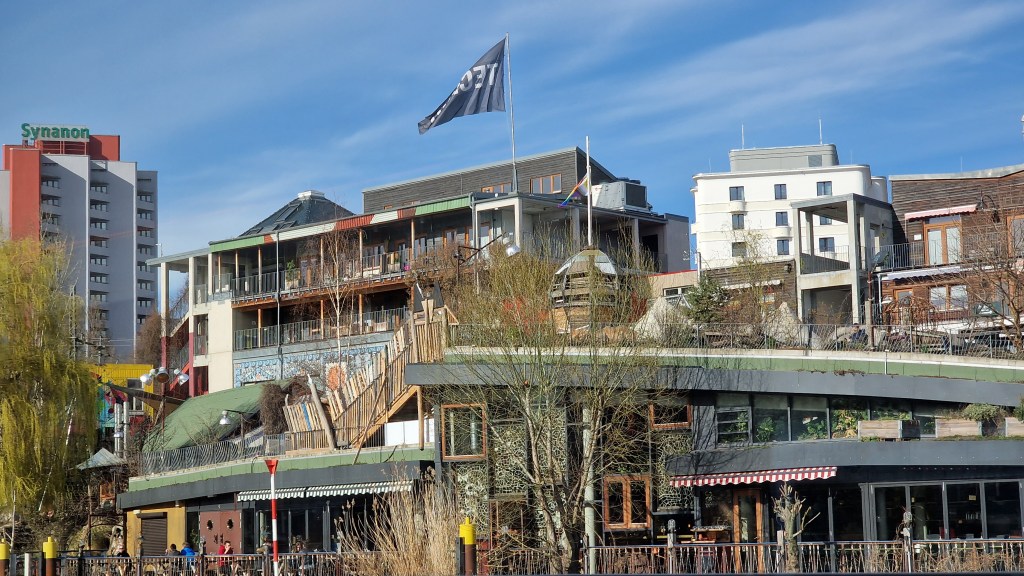
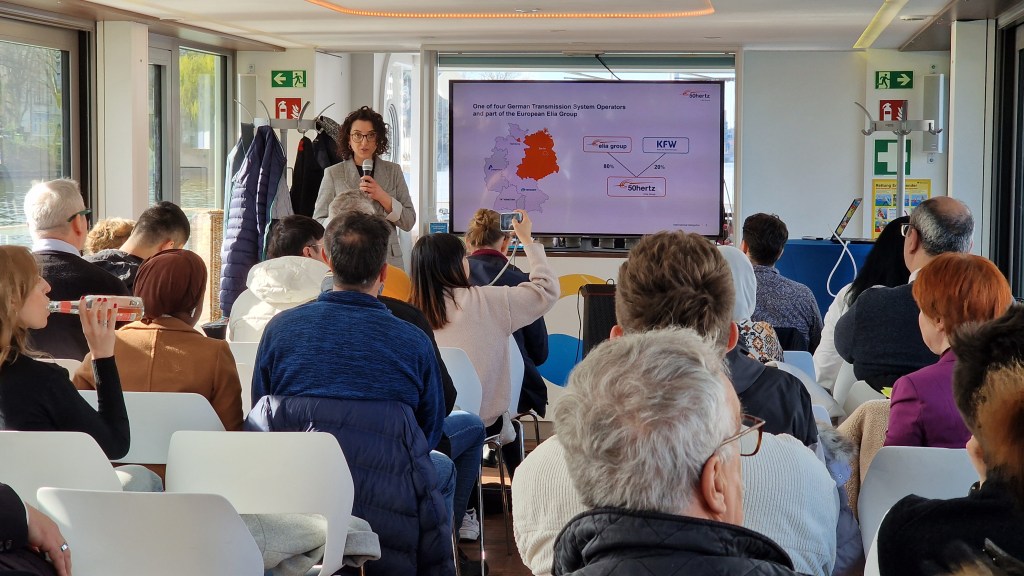
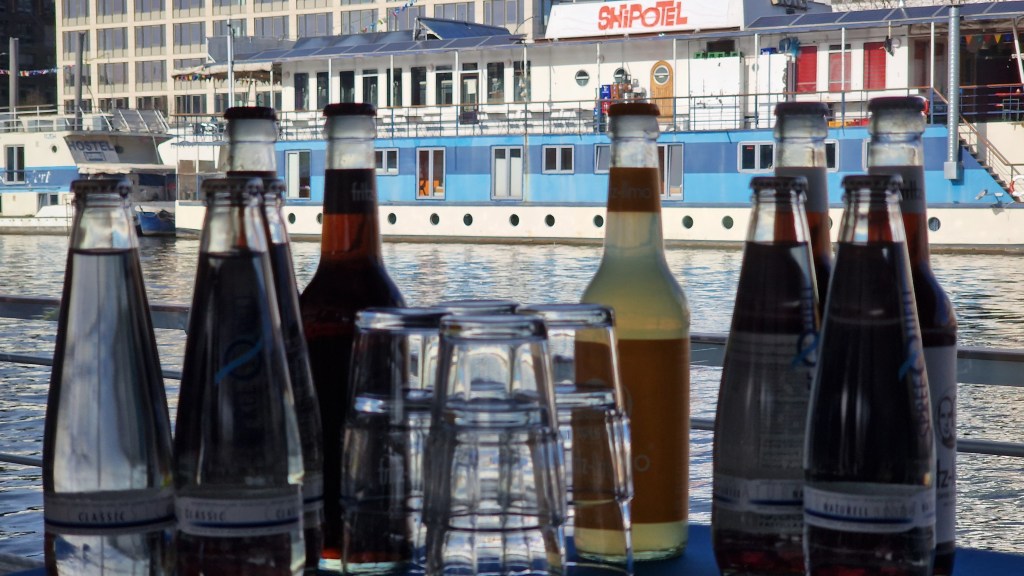
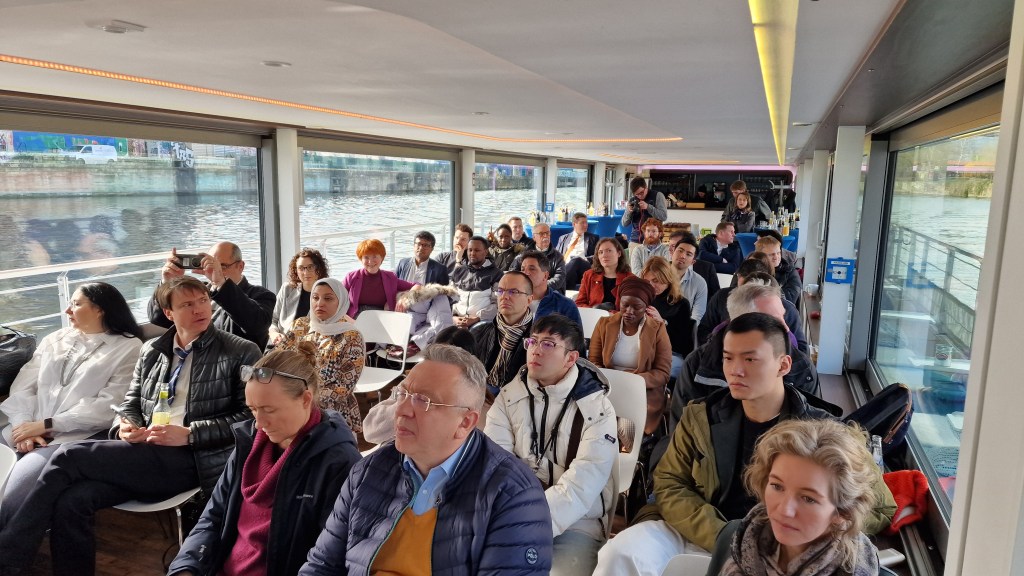
So, allow me to take you on a journey into the German notion of accountability in energy transitions, and trust me, it’s a risk I’m willing to take to bring you closer to this concept. I’ll be incorporating observations from the boat ride hosted by DENA, the German Energy Agency on 18th March, as a side event of #BETD24. During the boat ride, we got a glimpse into the world of energy innovation. On this journey, they introduced us to three unique companies striving to leave their mark on the global stage, amidst a sea of thousands aiming for international recognition. It was indeed an enlightening experience.
Photo: Blogger
Developing this story is perhaps going to be a tough one. Therefore, I’m all ears for discussions and welcome any corrections to my understanding, largely derived from online resources courtesy of my memberships with the BNF and INHA. Yes, energy has indeed played a role in the history of art in Europe, as I’ve learned from stories shared by my German friends’ families. Please see reference section below.
Now, let’s get into the complexity of accountability in energy transitions within Berlin’s historical and spatial context over the past century. This city, transitioning through various political regimes, from democracy to state socialism, offers a unique lens to view how accountability in energy transitions has been molded by the political constructs of each era.
Accountability in Berlin’s energy infrastructure today is more than just a minor concern. It’s fueled by public demand for democratization in decision-making processes. Movements like the Berlin Energy Roundtable and Citizen Energy Berlin have reshaped energy policy debates around participation, transparency, and, of course, accountability. Coming from France, I must say, the effectiveness and transparency of German processes are something to behold, no joke intended. These movements have influenced city government policies, paving the way for a public energy utility to rival private entities, marking a shift towards governance that’s more accountable and focused on consumers.
Photo: Blogger
Exploring urban energy democracy in Berlin provides insights into how accountability is being framed and institutionalized today. But to truly grasp this concept, one must peek into the historical backdrop of the city’s energy policies. It’s not just about the contemporary low carbon transition; it’s about understanding the various phases of energy transition and the evolution of accountability and legitimacy in each period.
Photo: Blogger
With Berlin’s energy transition over the last century in mind, I’ve identified three themes in Energy Transition that I believe will clarify the core concept for us all and also tried to furnish a consolidated timeline in order to facilitate our reading: Innovation and Diversification of Energy Sources, Infrastructure and Modernization and Sustainability and Circular Economy. To complement, I have brought back the topic of semiconductor as well.
Innovation and Diversification of Energy Sources:
1920s – 1940s: The energy sector was dominated by coal and water power, with limited electricity usage in households. 1950s – 1960s: Oil emerged as a new source of energy. 1970s – 1980s: The beginning of diversification with the rise of nuclear energy. 1990s – 2000s: The adoption of wind and solar power marked the beginning of a more diverse energy mix. 2010s – 2024: Continuous innovation led to the growth of decentralized energy systems and smart energy technologies. The Industry 4.0 movement brought about a significant transformation in energy usage in manufacturing, focusing on automation and efficiency. ENERTRAG’s development of combined power plants points to the need for diversified renewable energy sources for reliability and efficiency.
Infrastructure and Grid Modernization:
1950s – 1960s: Post-WWII electrification of households expanded, and oil began replacing coal for home heating and industrial use. 1970s – 1980s: Nuclear power plants began contributing significantly to the energy mix. 1990s – 2000s: Deregulation of the energy market facilitated the development of modern energy infrastructure. 2010s – 2024: Germany saw significant advancements in energy storage technologies and the integration of renewable energy sources into the grid. The development and expansion of electric vehicle infrastructure represented a major step in modernizing the energy infrastructure. 50Hertz’s role in expanding energy grids highlights the importance of infrastructure in integrating renewable energy sources
Sustainability and Circular Economy:
1970s – 1980s: The energy crises led to heightened awareness of conservation, ushering in energy-efficient appliances and insulation techniques in homes. 1990s – 2000s: With an increased focus on renewable energy, there was a significant push towards sustainable energy practices. 2010s – 2024: The Energiewende policy emphasized a transition to renewable resources, supporting a shift towards a more sustainable and circular approach in energy use. The expansion of decentralized energy generation, including residential solar panels, and the growth of smart home technologies for efficient energy management further bolstered this shift. SunCrafter’s initiative with second-life solar modules illustrates a move from traditional consumption models to sustainable circular economies.
The integration of renewable energy in semiconductor manufacturing, as discussed in my previous interview questions, highlights the interconnectivity of different industries in the energy transition. Policies and incentives for eco-friendly practices in sectors like semiconductors may point towards a holistic approach to sustainability across industries.
Photo: Blogger Collaborations between countries and global entities in renewable energy underscore the importance of international cooperation in achieving global sustainability goals and that’s why I had to ask a specific question on Global South to a career diplomat of India who is currently serving his mission somewhere in eastern Europe.
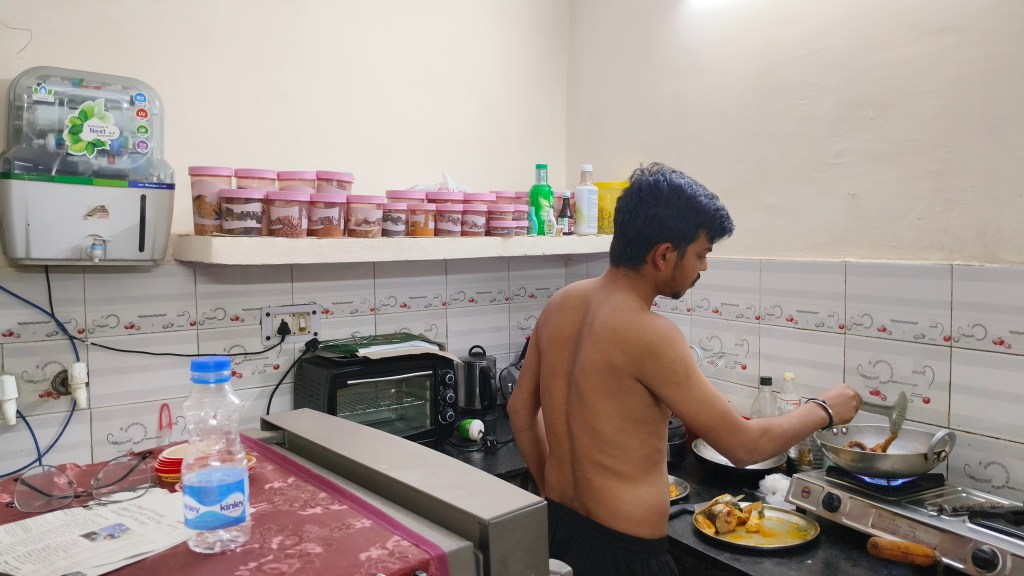
From coal to gas and now to OTG (Oven-Toaster-Griller), India’s own energiewendein a nutshell
I asked: In light of India’s significant advancements in renewable energy, what strategies could be implemented to extend support and share best practices with the Global South countries, particularly in areas like solar energy, energy efficiency, and sustainable infrastructure development? How can India leverage its own experiences to create a more inclusive and sustainable energy transition in developing nations?
What he answered: In response to how India can extend support and share best practices with the Global South, a key strategy is the promotion of solar energy. our membership in the International Solar Alliance (ISA) positions us well to facilitate this. Additionally, we can make solar panel technology and photovoltaic plant technology more accessible to developing nations through lines of credit (LOC) or soft loans. This approach would enable us to leverage our own renewable energy advancements to assist in facilitating a more inclusive and sustainable energy transition globally.
In conclusion, drawing from Germany’s diverse historical experience and its evolving story of accountability, the energy transition is recognized as much more than a simple switch from fossil fuels to renewable sources. It’s a multi-faceted metamorphosis that spans innovation, infrastructure development, policymaking, and international collaboration. Looking back at Germany’s energy evolution, from its early reliance on coal to today’s emphasis on renewables and democratic energy management, it’s clear that a sustainable energy future necessitates comprehensive and cohesive strategies. These strategies must address not just the technical aspects of energy production but also give due consideration to the environmental, economic, and geopolitical factors that influence our world. This approach, informed by historical insights and accountability principles, is essential in guiding the global shift towards a more sustainable and equitable energy environment.
With the global semiconductor industry often at the center of geopolitical tensions, particularly between major powers like the US and China, how is the India Economic Trade Organisation navigating these complex dynamics? What is India’s strategy to maintain its growth and independence in this high-stakes environment while balancing international relations?
Photo by the Press Office of the BETD, Berlin, Germany
I am travelling again and in less than a few hours, I will be on the other side of the Rhine. Berlin. And this time, I am attending the Berlin Energy Transition Dialogue as a press delegate. While preparing my trip, I am also reflecting on a journey deeply connected with energy narratives. Growing up in Kolkata, India, « load shedding » was a regular part of life, a term synonymous not just with power cuts, but with the broader struggles of industrial decline. This experience was not just about the inconvenience of power outages, but rather a deeper narrative of economic shifts.
Back then in the nineties and the early years of 2000, Kolkata, under a specific regime, faced numerous strikes and unemployment, evidence to the need to balance power distribution and industrial demands. The irony lies in today’s Kolkata, where load shedding is a thing of the past, not due to a grand energy transition, but rather an absence of industrial demand, leading to an almost overflowing electricity supply. This personal backdrop forms a stark contrast to the energy landscapes I encountered later in my career, especially at international forums like COP21 in Paris.
Photo: Writtwik
I had the modest opportunity to be part of the media team for the Embassy of India, allowing me to study countless documents over a week. While everyone buzzed about India and France as key players at Le Bourget, deep inside, I was riddled with questions.
Admittedly, like most people, climate issues hadn’t deeply intrigued me beyond my 2009 master’s dissertation in Earth Sciences at the University of Paris-Cité (Diderot). It was during my time translating in the media center at COP21 that I found a burning desire to understand climate stakes more deeply.
I pondered: What are the tangible effects of climate change? Is there an effective climate policy? What is the science behind it? How can green activists convince decision-makers to implement coherent policies? Is there a ‘jugaad’ (an innovative fix) for all these questions? Probably not.
These questions haunted me for some time, compelling me to focus on the topic of energy, an area where I lacked expertise. The first thing that came to my mind was light, a resource still inaccessible to much of India. Light leads to energy. How is energy utilized in an emerging and ambitious economy like India?
Searching for organizations working in this field, I stumbled upon TERI (The Energy and Resources Institute) in New Delhi. Though I had heard of this NGO during COP21, the lack of French media coverage made it challenging to research them further. My discovery of TERI marked the beginning of a new chapter in my journey towards understanding and advocating for energy solutions.
While aiding The Energy Research Institute to disseminate its ‘lighting a billion lives’ project across francophone nations, a deep-seated emotional bond with energy advocacy burgeoned within me. This advocacy journey seamlessly intertwined with fate at the Paris Peace Forum in 2018, where I crossed paths with Dr. Asif Iqbal from the Indian Economic Trade Organisation. Our bond, cemented by shared aspirations of fostering cross-country connections, has flourished. While Asif navigates tangible trade dialogues, my role meanders through the promotion of intangible cultural heritage, leading us to a common confluence – the estuary of mutual understanding and cooperative goals. Our collaboration, underpinned by a shared pursuit of a greener future, makes the forthcoming dialogue an exciting convergence of ideas and insights.
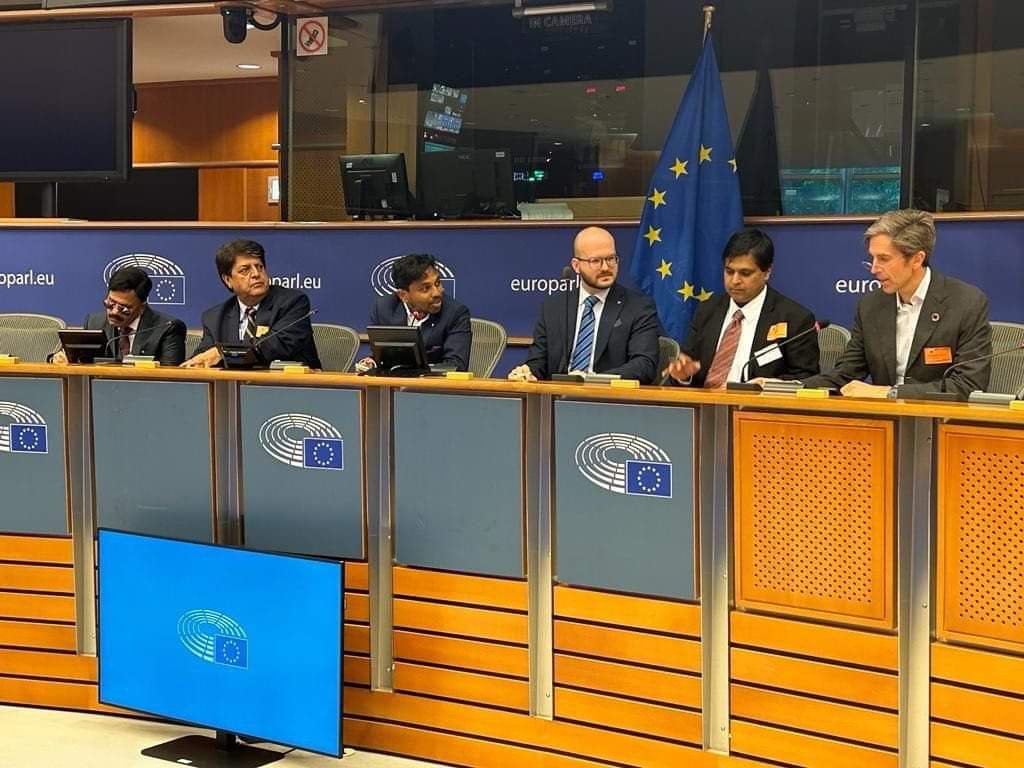
Photo: Asif, at the Energy Panel of the European Parliament
This inaugural article for the Berlin Energy Transition Dialogue is, therefore, much more than a discussion on energy; it’s a story of how Dr. Asif Iqbal orchestrates dialogues and creates synergy across various domains. Therefore, keeping in line with the theme of the Berlin Dialogue, I’ve prepared four tailored questions to explore these dynamics. These questions aim to focus on how the Indian Economic Trade Organisation is influencing policies and industry standards in semiconductor manufacturing, especially regarding renewable energy integration. They also touch upon eco-friendly practices within the semiconductor industry, global collaborations for technological advances in this sector, and how geopolitical tensions are maneuvered. Through these questions, I would like to shed light on the multifaceted role that Dr. Iqbal plays in bridging gaps and fostering partnerships across the globe.
Writtwik:As a key player in lobbying, how is the Indian Economic Trade Organisation influencing policy and industry standards to promote the integration of renewable energy in semiconductor manufacturing? Are there specific initiatives or recommendations you’re championing to encourage sustainable energy infrastructure in this sector?
Asif:The Indian Economic Trade Organization (IETO) operates as a facilitator of economic collaborations, plays a crucial role in driving sustainable initiatives within the semiconductor sector and more. We act as a bridge between Indian semiconductor manufacturers and global entities specializing in green energy solutions. Through collaborations, IETO facilitates the exchange of technologies and best practices, fostering the adoption of eco-friendly manufacturing processes. Moreover, IETO contributes to the upliftment of Small and Medium Enterprises (SMEs) within the semiconductor industry, ensuring that sustainability measures are inclusive. The organization conducts capacity-building programs, provides financial support, and facilitates technology transfer to empower SMEs in embracing sustainable practices.
In tandem with India’s broader vision, IETO actively engages in policy advocacy, working closely with governmental bodies to promote regulations that incentivize the use of sustainable energy sources in semiconductor manufacturing. The organization also advocates for and supports research and development initiatives, encouraging innovative technologies that contribute to energy-efficient processes.
Furthermore, IETO creates networking opportunities for SMEs, fostering collaboration and knowledge-sharing on sustainable practices within the semiconductor industry. The organization also establishes recognition programs to acknowledge and incentivize companies, particularly SMEs, excelling in sustainable energy adoption.
Through these combined efforts, India, with the proactive involvement from large enterprises, strategic International collaborations, boost from the SME’s, positions itself as a global leader in driving sustainability within the semiconductor industry. The collaborative approach not only aligns with international environmental goals but also strengthens India’s semiconductor ecosystem by promoting inclusive and resilient practices.
Writtwik:What incentives or policies are being advocated to promote energy-efficient practices within India’s semiconductor industry, and are there any specific programmes encouraging the adoption of such technologies?
Asif: In India, the government has historically introduced various initiatives to promote energy efficiency and sustainability across industries, but specific programmes for the semiconductor sector may vary. Policies related to renewable energy adoption, energy-efficient technologies, and environmental sustainability can have indirect effects on semiconductor manufacturing.
The Indian government has set up the India Semiconductor Mission (« ISM ») to tackle the worldwide shortage of semiconductors and encourage manufacturers to establish their semiconductor facilities in India. Under the ISM, the government has introduced four schemes. As the central agency, ISM will assess the technical and financial aspects of received applications, suggest the selection of applicants, and undertake other responsibilities assigned by the Ministry of Electronics and Information Technology as needed.
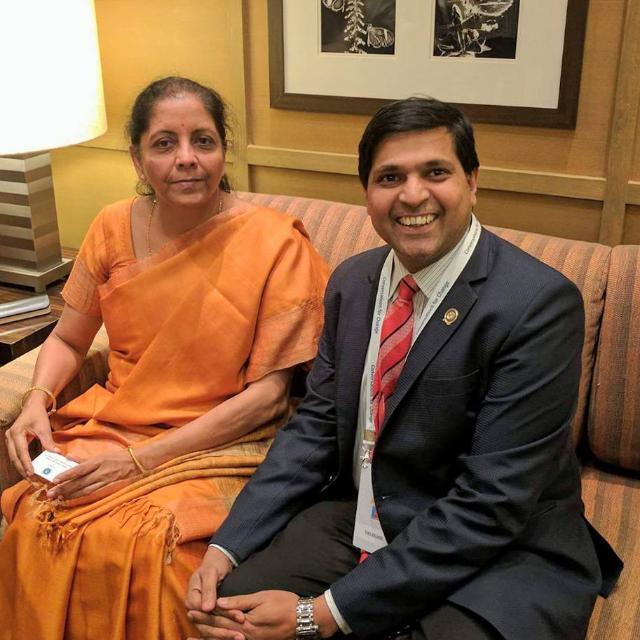
With India’s Finance Minister, Ms. Nirmala Sitharaman at the Huddle Conference in Bengaluru, Karnataka, India
The Ministry of Electronics and Information (MeitY) is looking for applications from 100 Indian companies, startups, and small businesses for its Design Linked Incentive (DLI) Scheme. This program has three parts: support for chip design infrastructure, incentives for product design, and incentives for deployment. C-DAC (Centre for Development of Advanced Computing), a scientific society under MeitY, will be in charge of making sure the DLI scheme works. The main aim of the DLI scheme is to help at least 20 Indian companies that work on designing computer chips. The goal is to help these companies make more than INR 15 billion or 167 million euros in the next five year.
Writtwik: Can you shed light on how the organisation is facilitating collaborations between Indian semiconductor industry and global leaders in renewable energy, and any significant partnerships aimed at propelling India towards a sustainable semiconductor future?
Asif: With India excelling in chip design, the recently authorized facilities will drive the advancement of chip fabrication capabilities, fostering the growth of indigenous packaging technology. This transformation is anticipated to generate fresh employment opportunities and simultaneously increase semiconductor production capacity. According to the central government’s projections, the establishment of three new units will directly impact 20,000 high-tech positions and indirectly lead to the creation of an additional 60,000 jobs.
The Indian semiconductor industry has gained significant investments and commitments from top global chip manufacturers, showcasing confidence in India’s potential as a semiconductor hub. Notable contributions include Micron’s INR 22,500 crore semiconductor facility in Gujarat, Foxconn’s USD 1.2 billion investment for electronic components manufacturing in Tamil Nadu, AMD’s USD 400 million investment in Bangalore for the world’s largest R&D facility, and Applied Materials’ USD 400 million investment in Bengaluru for semiconductor manufacturing equipment. Additionally, collaborations with industry suppliers, discussions with global players, and a memorandum of cooperation with Japan further highlight India’s emergence in the semiconductor sector. Sahasra Semiconductors has already established a production unit in Rajasthan, set to commence production of locally-made memory chips in October 2023. We at the IETO strongly highlight the need for a collaborative effort between the Indian government, industry, and global players to establish resilient semiconductor supply chains worldwide.
Writtwik: With the global semiconductor industry often at the center of geopolitical tensions, particularly between major powers like the US and China, how is the India Economic Trade Organisation navigating these complex dynamics? What is India’s strategy to maintain its growth and independence in this high-stakes environment while balancing international relations?
Asif: India’s role in the geopolitical landscape is underscored as it emerges as a significant player in the semiconductor industry. While the primary focus of the discussion revolves around global dynamics, tensions between major powers, and strategic initiatives, India’s proactive involvement is evident. The extended summary previously mentioned India’s efforts in attracting substantial investments from top chip manufacturers, such as Micron, Foxconn, AMD, and Applied Materials, reflecting the country’s commitment to developing a robust semiconductor ecosystem.
These investments, I am convinced, position India as a major player in the global semiconductor supply chain, contributing to the geopolitical equation. The Memorandum of Cooperation signed with Japan further emphasizes India’s strategic collaborations to bolster the semiconductor sector. Amidst the intensifying competition between major nations, India’s growing semiconductor capabilities add a unique dimension to the geopolitical narrative, enhancing its role in the intricate balance of power in the technology and semiconductor domain.
Currently, IETO plays a vital role in driving economic partnerships, especially in the semiconductor sector. It actively engages in promoting investments, trade deals, and partnerships, significantly contributing to building a strong, global semiconductor supply chain network. This approach, which prioritizes collaboration and shared economic gains, aligns with a strategy that combines diplomatic and business perspectives, skillfully managing geopolitical complexities without direct involvement.
Writtwik: Thank you so much, Asif. Really appreciate it.
Acknowledgements:
Dr.Asif Iqbal, President, Indian Economic Trade Organisation
























 Serendipity