Travel has always been more than just a leisure activity for me; it’s an important way to connect with the very soul of Europe, a continent perpetually in search of its own identity. Having been immersed in the disciplined worlds of French and Indian diplomacy from an early age, my thought processes have often been bound by an invisible protocol. This structured mindset, while beneficial in many ways, occasionally hindered me from taking spontaneous actions or addressing immediate needs—symptoms of what some might call imposter syndrome.
For years, I underestimated my own capabilities, allowing this perceived inadequacy to limit my explorations. However, as I’ve matured, I’ve recognized the importance of breaking free from these constraints to truly engage with the world. Europe, with its rich mosaic of cultures, languages, and histories, unlike the consolidated national settings seen in India, offers endless insights into the human condition.
My affinity for languages has opened doors across this vibrant continent, and I’ve recently developed a deep affection for Scandinavia—a region that feels like an extension of my own chosen family, which I have proudly built over the past two decades.
In this category, I will share the stories of my travels, which are guided not just by a physical journey, but by a voyage through my thoughts, soul, spirit, and lens. Join me as I uncover the layers of European culture, each story and experience aimed not only at sharing my adventures but at transporting you, the reader, across the rich landscapes of Europe through my diplomatic eyes.
The idea of travelling alone had never really occurred to me. We’ve always travelled together—mostly to Gotland, occasionally to India, but rarely beyond the familiar orbit. Over the years, I’ve developed a set of travel rituals: boarding the flight, indulging in low-grade nosiness, observing fellow passengers, judging them gently, and of course, scanning the cabin for hot ones.
I do suffer from what I call the “Unknown Middle Seat Passenger Syndrome”—a specific brand of mid-flight paranoia. Who will it be? A child with a shriek? A talkative crypto bro? A silent farter? There’s a strange existential drama that unfolds at 30,000 feet. While your life is briefly on hold, you begin inventing stories for strangers, wondering if one of them might just change the trajectory of your own.
So when Gunnel—Tété’s 86-year-old mother—reacted the way she did, it took me a few days to process it. You see, I had already imagined Gotland. I had assumed it. Booked the flights in February. Dreamt up the sea breeze, the pebbled beaches, the greenhouse smell of the botanical gardens, the swims in the Baltic—full monty, of course. On Gotland, time always stops for me. Three and a half weeks of quiet rituals: the chambrette, my bed, books, silence. A time to shut the world out and let words come in. I craved it. I lusted after it. And I should have known better.
But I didn’t keep a Plan B. Because we rarely do when the past has always shown up on time. But change, like age, arrives uninvited. It doesn’t knock. It just enters.
Gunnel, once the indomitable belle demoiselle of the house—the woman who could host a dinner, challenge her guests with dry wit, and navigate online banking before fintech had a name—has slowed. A lifelong reader, a digital native before the term existed. She scrolled, read, ordered, paid—often with more style and steel than the Gen Zs she secretly rolled her eyes at.
But now, it’s different. She waits for un meilleur jour—a better day when her mind might catch up to her will. Her gestures have softened, her gaze lingers longer. Her clarity comes and goes, but her grace holds firm.
I’ve known this family for over two decades—met them in the prime of my own becoming. And yet nothing prepares you for this slow fade. The moment when you realise everyone around you is aging. Including yourself. Am I aging gracefully? Blissfully? That, too, is a moving target.
So the plan to be in Visby for Stockholmsveckan had to be reviewed, rethought, rewritten. Tété, now in his mid-sixties, remains a bel homme—handsome in his melancholy.
But even he couldn’t quite make sense of his mother’s refusal. Her sudden retreat from the world she once commanded with such quiet authority has left him suspended between guilt, worry, and incomprehension. He shrugs, half-explains, pauses mid-sentence—like he’s trying to translate a language he no longer speaks fluently.
Who am I to intrude on the sacred entanglements of mother and son? Those ties stretch across decades, layered with silence, laughter, rebellion, reconciliation—and now, this stillness. It’s not drama. It’s not a rupture. It’s the soft, slow erosion of age. Time doesn’t always come with thunder; sometimes it arrives gently, and simply stays.
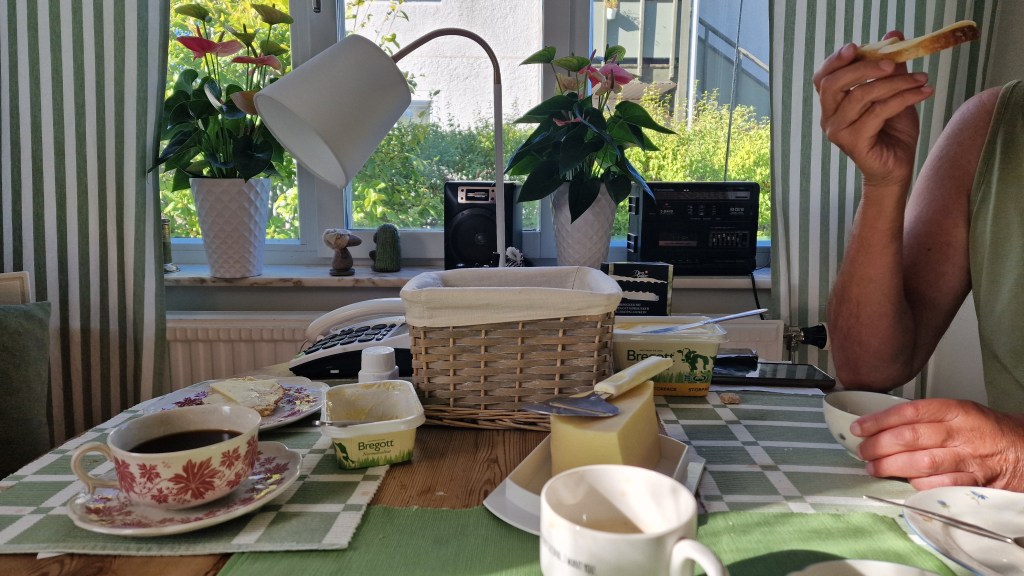
I’ve seen that house on Gotland shimmer with life—mornings of buttered crispbread and pressed coffee, books scattered across the garden table, the Baltic wind rushing through freshly laundered curtains. Gunnel in her element, moving between rooms like a lighthouse keeper tending to light.
But now, the beam is dimmer. And even the son, the witness to her long command, seems adrift. This is how time takes people from us—not always by death, but by turning sharp minds into soft landscapes. And so, I step back. Watchful. Respectful. Grateful that I’ve seen that woman in her full spectrum of grace. Grateful too that I still get to go—elsewhere, alone, differently.
All I know is this: I am on a solo trip to Scandinavia. My first. Untethered not only from the buzz of Paris I call home, but from the grand opera of expectations. I walk. I watch. I wander. Somewhere between Stockholm and Baltic shores, something loosened its grip on me.
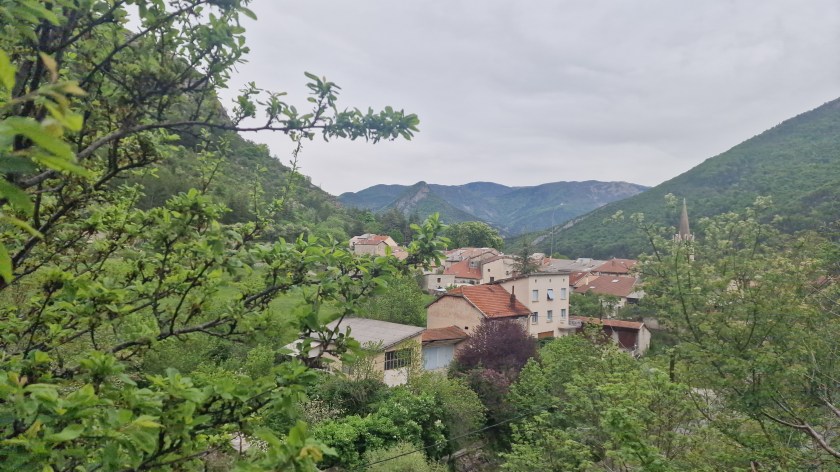
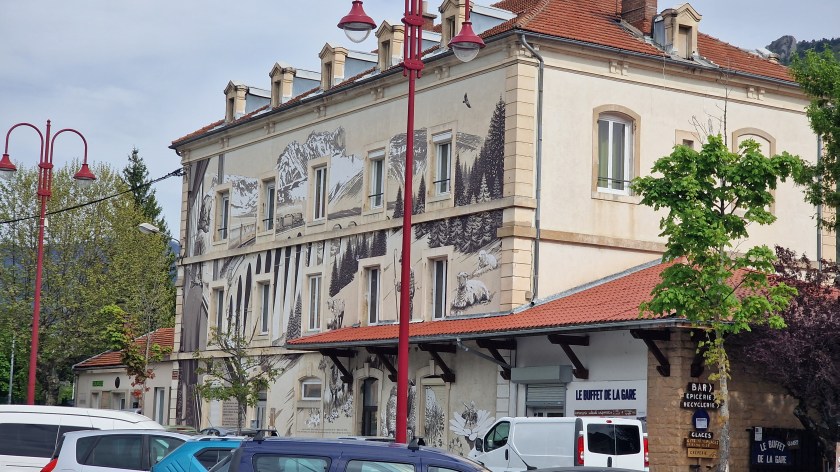
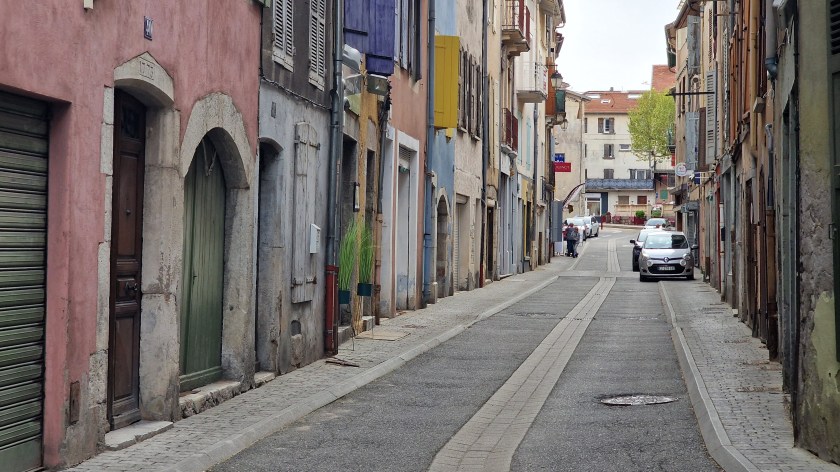
A return to the forgotten edge of the Hautes-Alpes, 18 years after I said I’d never go back. In 2006, I landed in Veynes, a small French town that no French teacher had prepared me for. I was trained in the language of Mitterrand, wine diplomacy, and soufflé. What I found instead was raw, rural, and strangely moralistic—but I also found friends who still remain closest to heart. This is not a story about learning French. It’s about unlearning France.
Veynes
J’y retourne jamais ! I will never go back to Veynes! This is what I muttered to myself when I left Veynes in April 2007 and stepping into a train back to Valence and then on to Paris without knowing what lay ahead or how the next 18 years would be shaped.
Almost seven months had passed already and I was already done with my Hautes-Alpes sojourn. Never had I imagined that the experience I was about to undergo would not have anything to do with the rigorous training I had received about France for four years within the French diplomatic network in Kolkata, Chennai and Delhi between 2002 and 2006.
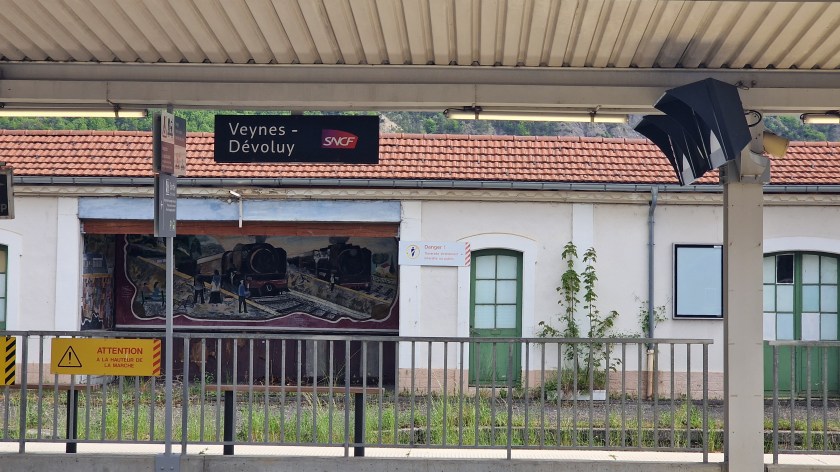
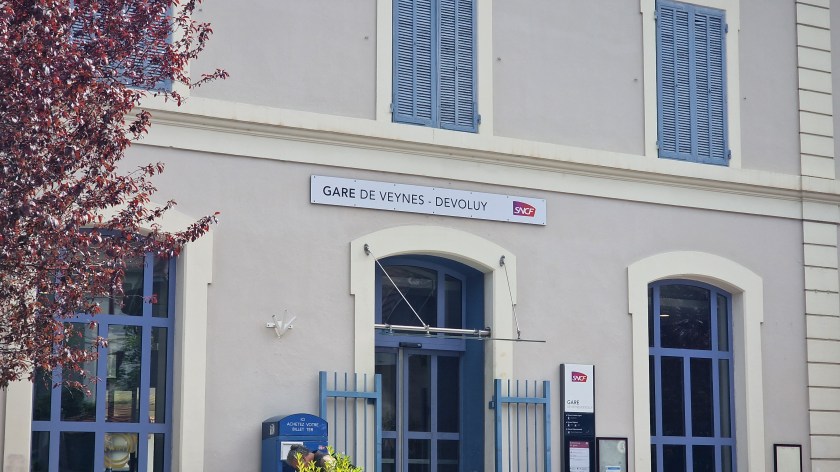
Veynes Station
La culture c’est comme la confiture, moins on en a, plus on l’étale ! This was exactly what one of my French teachers told me prior to my departure from Kolkata for Paris. Whatever she said had seemed like Hebrew to me because back in those days I was far more enamoured with France blinded by the glamour and glitz of the Rive Gauche that I couldn’t register the highly critical tone that was embedded in her voice as she pronounced those words. Kolkata was my Paris and my first email address was rittfrançais.
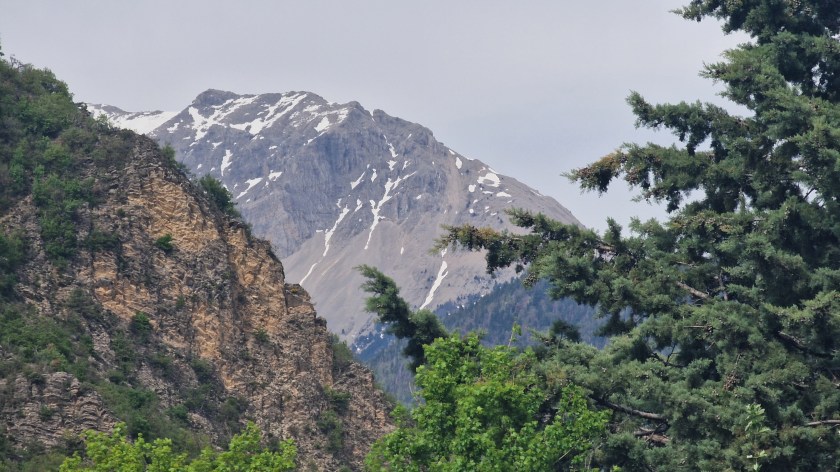
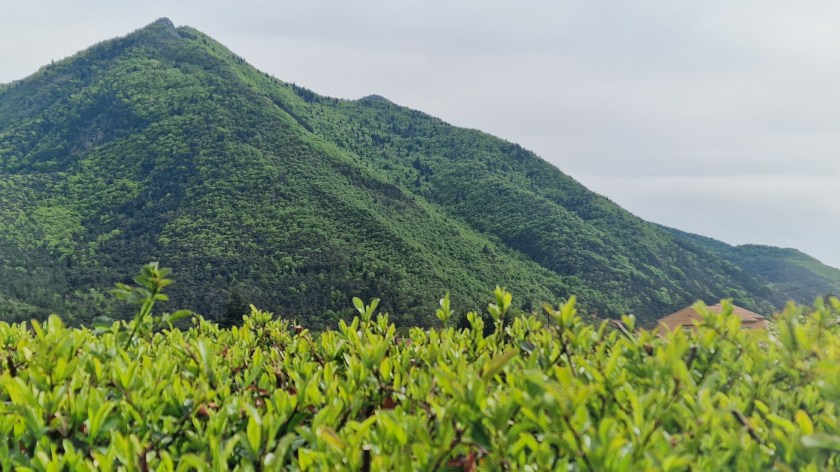
Alpes
Upon reaching Veynes, I understood nothing of the language despite having once been the finest students the Alliance Française du Bengale had ever produced! From De Béranger’s son Coeur est un luth suspendu, sitôt qu’on le touche, il résonne to a baffling « ma bagnole m’a lâchée » a sentence that still echoes in my mind, I strongly felt a void open within me and my heart was fraught with deception. My French teachers had deceived me.
I wasn’t armed with enough syntaxes, idiomatic or colloquial expressions to be able to understand Pascale, my would be colleague at the Collège François Mittérrand of Veynes, in the Hautes Alpes.
I still recall that terrible moment. Within less than 24 hours, I was teleported from Kolkata, my rooftop room to a dawn embrace with Tété in Paris – the poor chap dragged himself to the airport at 5:00 a.m. to greet me—only to find myself in Veynes, being picked up by Pascale barely thirty minutes after my arrival.
I still recall that moment. I got off at Veynes-Dévoluy around 3.00pm, went upto the France Télécom phone booth and called Pascale. Bonjour, je m’appelle Writtwik et je suis votre nouvel assistant d’anglais. Je viens d’arriver à Veynes et veuillez bien venir me chercher à la gare. I held my breath and delivered carefully prepared sentence to Pascale. And it worked. She understood me and I, the incurable narcissist, got instantly carried away by the elegance of my own efficiently pronounced sentences. I didn’t even listen to her. She probably told me that she would be late by a few minutes.
Indeed, she was late by 30 minutes and the first thing she did was to greet me with three bises (provençal style kisses on cheeks as a gesture, in Paris we do it twice and post covid la bise has almost become extinct) and said “Ch’uis navrée, ma bagnole m’a lachée”! I looked at her, flabbergasted, I had not understood a word. I didn’t know “navré” I didn’t know what even a “bagnole” was.
For me désolé and voiture were the words engraved into my brain and connected to neurons and programmed linguistically. I was angry not at my incapacity to decipher that code but at my teachers, my ambassadors, my directors both at the Alliance Française and at the French Embassy in Delhi. They had not prepared me for this. Merde!
I had paused for thirty seconds, nodded my neck both ways only to hide my weakness. Poor Pascale probably had no idea as to what was coming next.
My journey began in Veynes in 29th September 2006. And in May, 2025, I was back for the first time. And this time Sophie was there.
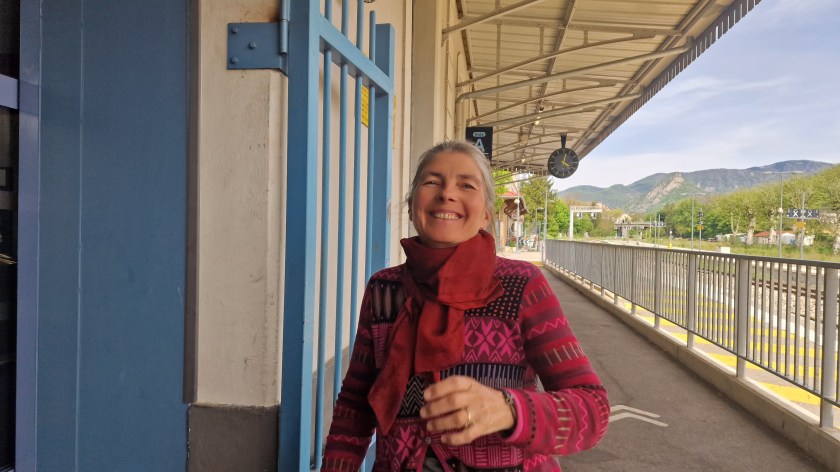
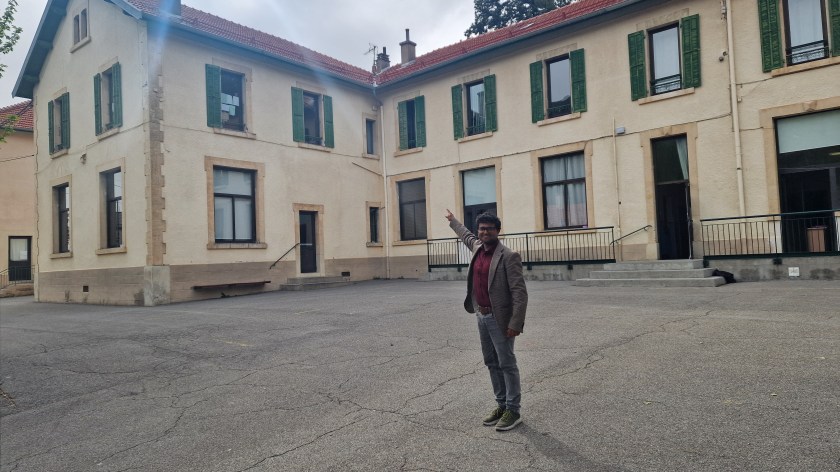
Sophie, my coordinator and colleague at the Collège François Mittérrand, Veynes 05400
The seven months I lived in Veynes made me discover what France profonde was meant to be. Sophie was my principal coordinator and was responsible for welcoming and supervising the induction of language assistants on behalf of the Rector’s office of the Académie d’Aix-Marseille. In Veynes, Sophie, Françoise and Pascale were family.
For a month or so, I had stayed with her, in her old house in a nearby village called La Roche des Aranuds.
The France I had discovered in Kolkata within the French diplomatic network was something that in today’s jargon, la Grande Bouffe. Every single day in Kolkata would make me discover the delectable taste of Paris: jambon-fromage, saucisson, the musical highs of World Music Day or the 14 July, wine flowing à flot!
But the France I had encountered at Sophie’s lacked the glamour that I had so dearly expected, she didn’t have a red carpet to welcome me and the food she cooked had nothing to do with the carefully scripted soufflés or vol au vents or “chef’s special” we were trained to appreciate at Embassy gatherings. Sophie was not wearing Dior and her cosmetic ranges never adopted Chanel. Sophie was humane.
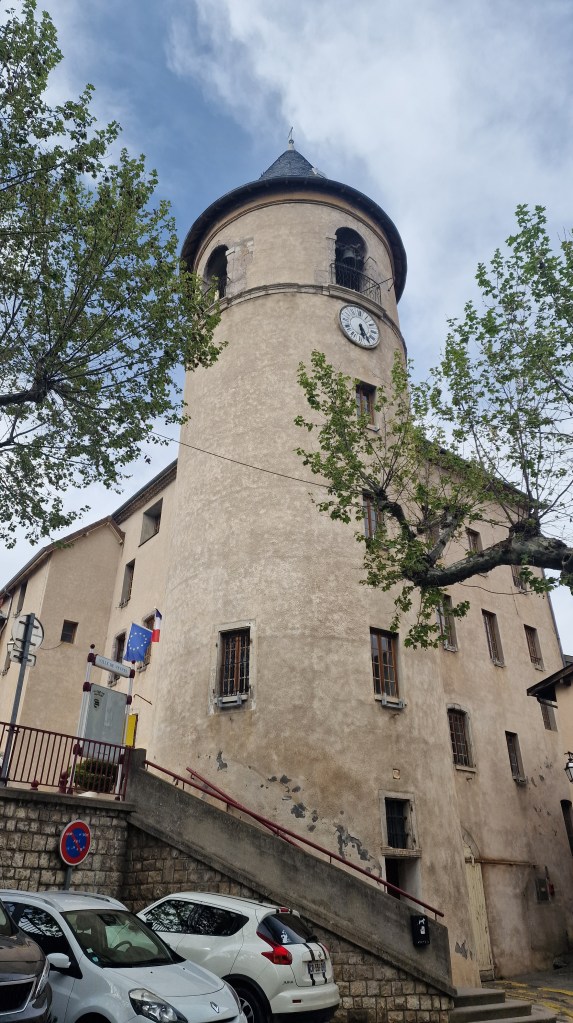
Town Hall or Hôtel de Ville, Veynes
I kept my disillusion to me and pretended to be settling in. The only person I could share my grudges with was Tété! Near Sophie’s house at La Roche, there was a telephone booth and I would use my carefully kept one euro coins to call him and talk talk and talk.
I have no idea how he interpreted my confusion, but his intermittent laughter only made me more angry.
The conditioning of Indian minds about France inside the ateliers of Alliance Française in India can be devastatingly fatal—especially for those who try to assimilate every learning outcome into the organic process of altérité. I took everything à la lettre—and I made blunders.
From getting naked in inappropriate settings, to buying pornographic magazines from the faith-loving, church-going local newsstand owner, and talking about Amira Casar—whom I had seen lying naked, hymen ruptured, in Anatomie de l’Enfer by Catherine Breillat—the French of Veynes were simply not prepared for my immoral appropriation of their sacrosanct culture.
They had expected someone who would reinforce their benevolent idea of Calcutta, where everyone supposedly lived in slums, as portrayed in Dominique Lapierre’s Cité de la Joie and devoutly repeated by Mother Teresa’s Missionaries of Charity.
“France saved you from the poverty you grew up in,” confirmed a local priest—someone who had spent a few months in the early ’80s in a slum near Kidderpore, an infamous neighbourhood of Kolkata.
But my references were so far removed from their perception of India—or of Calcutta—that their cognitive capacity to absorb or accept new information would have required a full reboot.
Tu n’as pas de plumes! My first day at school was quite interesting. Sophie introduced me to the teachers I would be working with and to the students I would be helping improve their English. Students of the sixième were my first contact in the class and I told them that I was Indian. The kids laughed and wondered why I had no feathers around my neck or head! It took me a fraction of second to understand what they meant. They got confused with the Native Americans and thought I was coming from that part of the world. Sophie was my saviour. Again.
My flat in Veynes
I was concurrently posted in the local professional school as well and there my supervisor was Françoise. India for Françoise was about a journey she undertook may be back in the seventies by car from France to Delhi via the Khyber Pass. Yes, in those days, backpackers could actually go to India by road. I didn’t know that. I don’t remember whether I ever visited her home but she was the one who introduced me to the concept of slow food movement in the neighbouring villages of Veynes. And thanks to her I was introduced to the local ballrooms. Even today I find myself humming “Jean petit qui danse!”
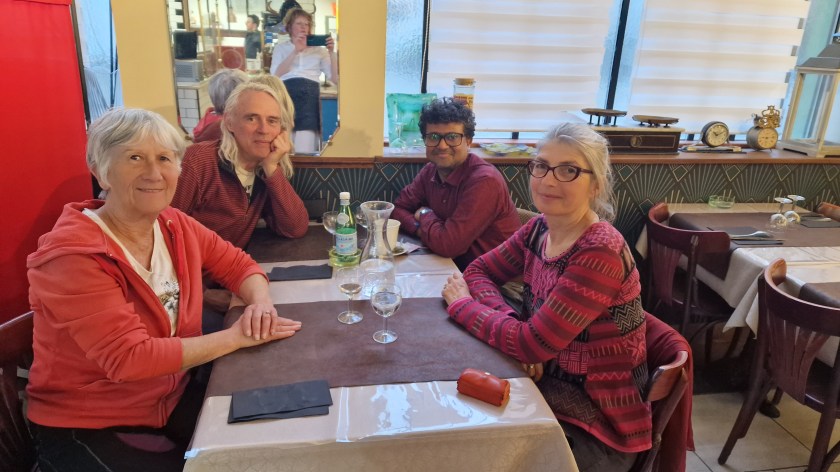
Françoise, Pierre, and Sophie—meeting them again this time brought back some memories, which I think should not become a deep dive. Veynes is always special to me.
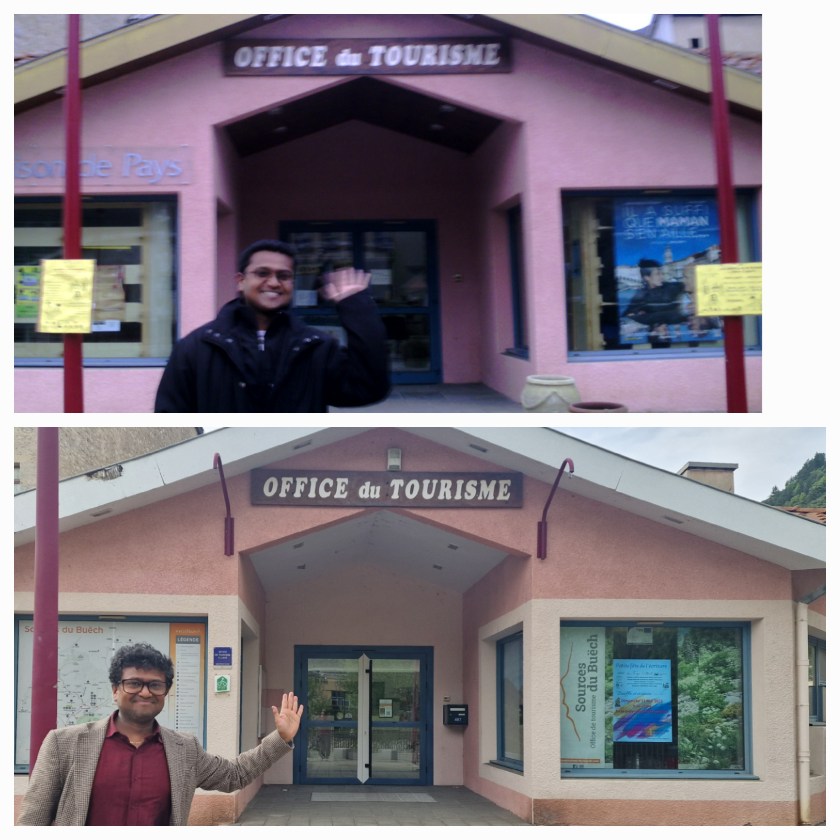
From 2006 to 2025 in front of the tourist office, Veynes
I started my journey into the unknown here, and the experience I gathered shaped my perception and made me grow up. Some untold stories, therefore, will remain untold—unless otherwise decided. And so, I move on to the second leg of my journey: Aix-en-Provence. Merci beaucoup!
As dawn broke on my second day in Lyon, my expectations clashed with reality over a trivial matter – coffee. The brew provided by Sofitel, though adequate for many, fell short of satiating my refined palate. Fortunately, my ‘coffee archives’ – a collection of carefully chosen sachets for emergencies – came to my rescue, transforming an ordinary morning into one of aromatic satisfaction.
The rhythm of the day established its tempo with a visit to the hotel gym. In this sanctuary, the rigor of physical exertion danced with the serenity of mental clarity. It was a harmonious prelude to what I anticipated would be a similarly invigorating experience in the steam room.
For me, the gym has always been an arena of mixed emotions rather than a consistent ally. My relationship, you know it quite well now, with physical fitness has been a journey of peaks and valleys. There have been times when I’ve shied away, preferring the shadows to the unforgiving glare of gym lights that illuminate the sculpted physiques I sometimes yearn for yet accept I may never achieve.
Today, as I ran on the treadmill, each step was a negotiation between aspiration and acceptance. After a determined thirty-minute sprint, my body signaled it was time to step down, marking the end of one challenge and the threshold of another.
My curiosity about Sofitel’s steam room had been simmering for quite some time, fueled by whispers of its luxurious ambiance and the promises of a rejuvenating experience. The prospect of finally stepping into this famed retreat infused me with a sense of eager anticipation. It was not just a room I was about to enter, but a dream I was ready to live. The steam room, renowned for its restorative powers, beckoned me, promising a sanctuary where the physical exertions of the gym could be soothed away, and where the mind could wander freely in the comforting embrace of warm, healing vapors.
The steam room, a vast yet intimate heaven designed to detoxify and rejuvenate, was spacious enough to accommodate a small crowd, yet on this day, it was my solitary retreat. Informed of its mixed-gender use – a nod to the Scandinavian saunas I fondly remembered as bastions of openness and self-challenge – I entered with a tinge of curiosity. France, with its facade of liberal attitudes, often harbours a deeply ingrained conservatism, and this extends to the sanctums of luxury hotels as well. Such spaces, though ostensibly liberal, are coloured by a certain puritanical ethos.
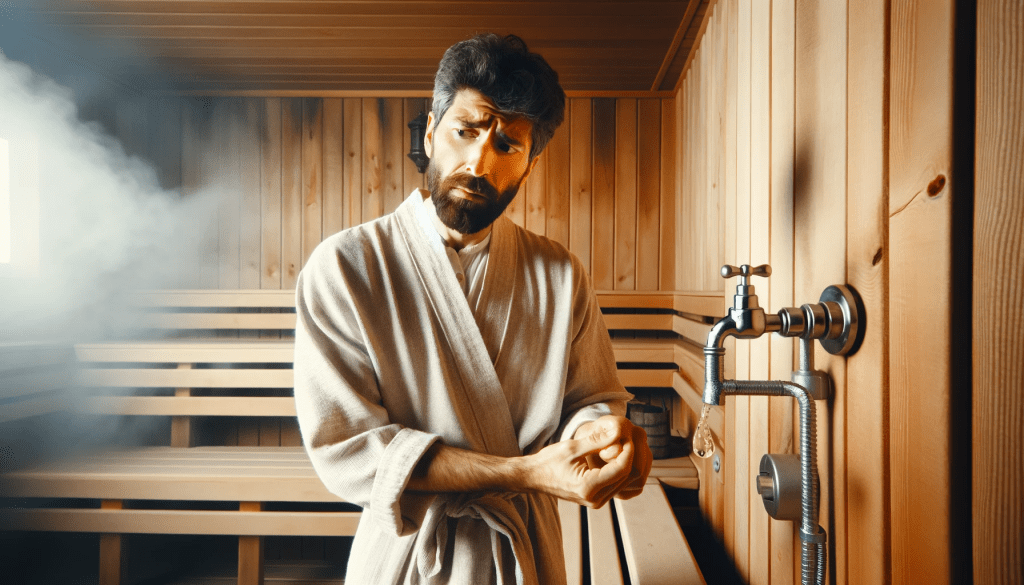
Alone, I embraced the liberating solitude of the steam room, allowing the heat to envelope me, coaxing the toxins from my skin, and indulging in a moment of unbridled freedom. But this idyll was not to last. As I prepared to rinse away the vestiges of the steam, I was met with the startling reality that the showers were out of order. Suddenly, the tranquility of my solitude was replaced by a pressing urgency.
Image obtained from an illustrator
Imagine the scene: there I was, a figure drenched in sweat, hastily redressing in my dampened clothes, my exit from the steam room a far cry from the leisurely retreat I had envisioned. The journey back to my room was a blend of discomfort and haste, a stark contrast to the earlier serenity. The disruption, even though minor, served as a reminder of the unpredictable nature of life, even within the meticulously planned environment of a luxury hotel. This unexpected detour in my otherwise seamless routine was a vivid episode in the mosaic of my Lyon adventure, a momentary lapse in the orchestrated elegance that only served to heighten the overall experience. As I returned to my room, the memory of this incident stayed on, a testament to the day’s unpredictable nature and the small surprises that await us in our most private moments.
Refreshed from my shower, I spritzed myself with Gentleman de Givenchy, a fragrance that has become a part of my very essence, enveloping me in a cloud of refined elegance. This olfactory ritual served as the perfect prelude to my meeting with Georgio at Place Bellecour. He, a man juggling the multifaceted roles of fatherhood, husband, son, and a cyber security expert. His presence, is always a delightful surprise and his responses are as eagerly awaited as a message in a bottle cast into the sea, adds a unique charm to every encounter.
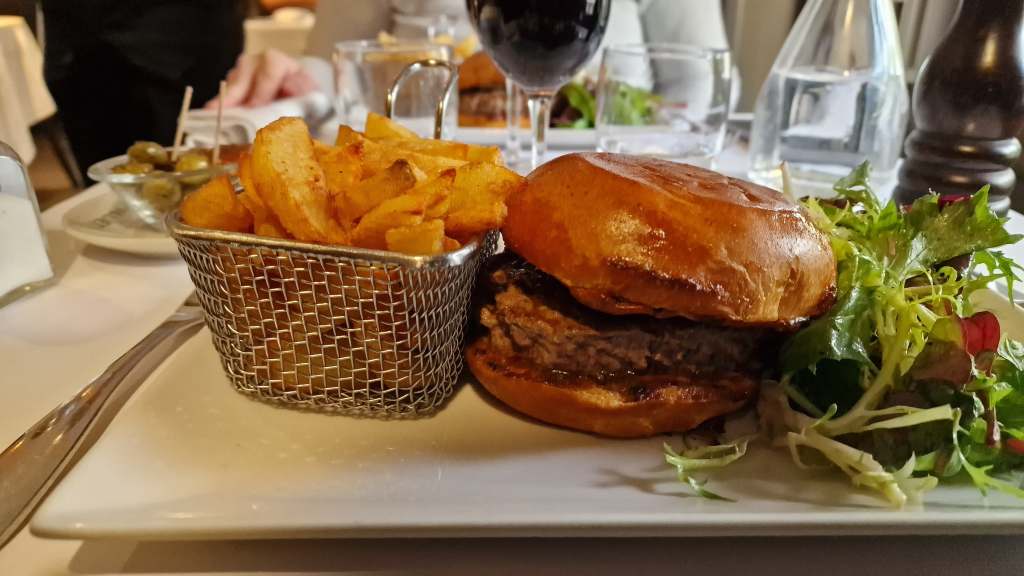
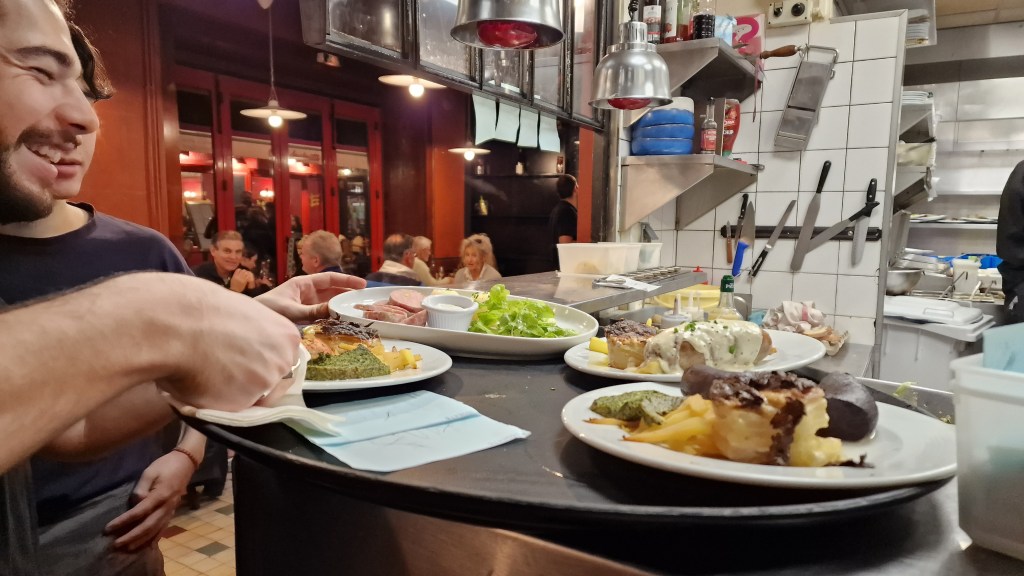
We met, greeted eachother and realised that our appetites were keenly awakened. Our culinary rendezvous was at L’Espace, a brasserie that echoed the sophisticated ambience of our previous meeting at Sir Winston, a high-end Indo-British brasserie near the Arc de Triomphe in Paris. Here, in the heart of Lyon, our Parisian memories were rekindled over a meal that celebrated simplicity and luxury in equal measure. The burger, our mutual choice, served as a bridge between our shared past and present.
As the wine added a touch of class to our meal, we eschewed dessert for a more rustic yet equally indulgent option – demi Saint Marcellin cheese platters. True to my culinary philosophy, I indulged in the delightful ritual of ‘buttering my bread for cheese’ – a personal idiosyncrasy that elevates the experience to an art form.
Now, I’m well aware that in the hallowed halls of Lyonnaise gastronomy, slathering butter under a slab of cheese might be considered nothing short of heresy. It’s like wearing sneakers to a black-tie event – unorthodox, mildly scandalous, yet undeniably me. This quirk in my palate has its roots in my very first full meal with my friend Tété in September 2006. He, with his mixed heritage and a dash of Swedish lineage, encouraged me to layer butter under the cheese, insisting it would elevate the taste. To my initial horror, I discovered that this combination, though delicious, was met with looks of sheer astonishment from the purists around us. In France, where cheese often represents God on earth, pairing it with butter is akin to rewriting the Book!
So, as I spread a generous layer of butter under my cheese, Georgio’s reaction was priceless. His eyes widened, mirroring the shock that once played across my face. In that moment, I realized how much I relished these little acts of culinary rebellion. Tété’s Swedish influence, which embraced cheese with biscuits – a big no-no in traditional French circles – had clearly rubbed off on me. It was a delightful mash-up of cultures, a testament to how food can transcend boundaries, much to the amazement (or dismay as you can say) of culinary traditionalists like Georgio.
To those who find my Kardashianesque attention to detail wearisome, I forewarn – the remaining part of my Lyon saga may well surpass your wildest imaginations. Lyon, with its blend of the ancient and the contemporary, has a way of transforming even the mundane into the extraordinary. As I continue to document this journey, each moment becomes a thread in the intricate fabric of my story, a story that is as much about discovering Lyon as it is about rediscovering myself.
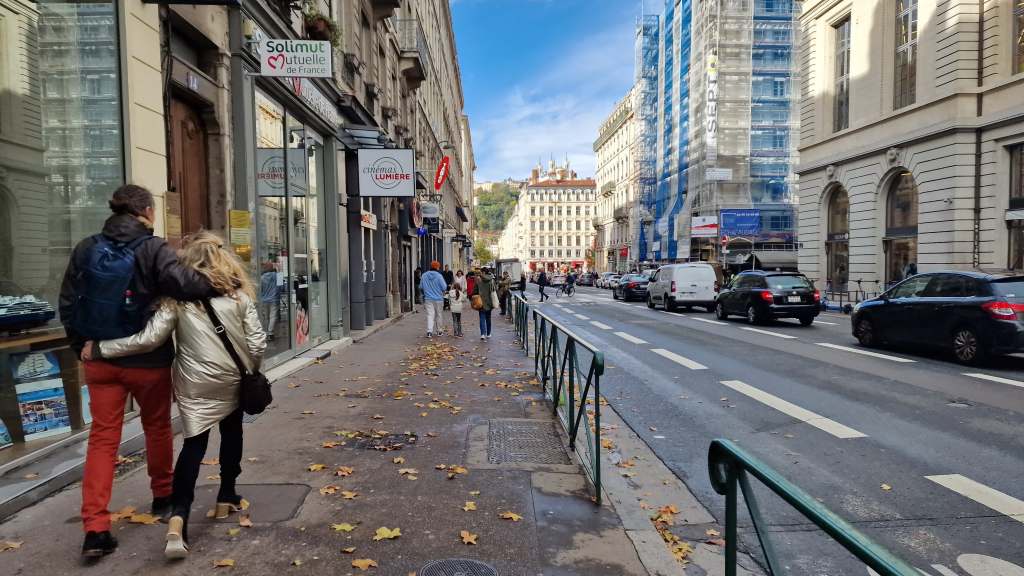
Somewhere in Croix Rousse, at the 4th arrondissementof Lyon
STAY TUNED!!! Because day two hasn’t finished yet. After our lavish lunch, Georgio and I took our leave from one another with a pledge to reunite soon over more stories and burgers. He headed back to his abode, and I ventured up to Croix Rousse, the 4th arrondissement of Lyon. This uphill neighbourhood is a microcosm of the Rhône Alpes high-flyers, a community living within its own bubble, where descending to Saxe Gambetta or Bellecour feels like an odyssey.
In the heart of Croix Rousse, I stumbled upon a sanctuary of well-being, a serene oasis amidst the urban hustle. Here, a Delhi-born entrepreneur, with her roots deeply entrenched in the vibrant culture of India, had woven her magic into the very fabric of Lyon. Her boutique, reminiscent of a tranquil ashram, stood as a vivid embodiment of her dedication to nurturing wellness and self-care.
In our conversation, I found myself passionately expressing the necessity of nurturing the soul, especially in these times when the media landscape seems to be an ever-churning sea of information and misinformation. The relentless tide of news, often tinted with bias or sensationalism, has a way of wearing down even the most resilient spirits. « We need to offer a haven for people to feel good about themselves, » I shared with her, my voice echoing in the calm of her well-curated space.
I spoke fervently about the need for a retreat from the world where the lines between reality and fabrication have become alarmingly blurred. In a society where public discourse is often dominated by a cacophony of voices, each clamoring to be heard, the importance of personal wellness has never been more paramount. « There’s no crisis in wellness, » I declared. This was more than just a statement; it was a belief, a conviction that in the midst of societal tumult, the pursuit of personal peace and well-being remains an unshakable pillar. As I articulated these thoughts, the entrepreneur listened, her space providing a backdrop that seemed to absorb and understand the depth of my words. It was a moment of connection, a shared understanding that amidst the noise and chaos of the external world, these indulging escapes are essential sanctuaries, offering respite and rejuvenation for the weary. An aura, straight from the abyss of Ayurvéda!
Our deep conversation over life, perception, and our chosen paths as expats turned immigrants in France left a lasting impression. She walked me down to the metro and as we went our seperate ways, the day’s experiences lasted in my thoughts. Back in my room, I surrendered to the quiet flow of the Rhône. In the serenity of the night, I embraced again the world of dreams – my world of boundless possibilities, where burgers, bondings, and new beginnings awaited.
As I prepare to embark on yet another solitary journey to Lyon this early November, the world around me seems gripped by the icy hands of an impending crisis. Yet, amidst the rising tide of uncertainty, here I am, a 41-year-old soul from the rich cultural soils of India, poised at the cusp of Lyon’s old-world charm and contemporary luxury at the Sofitel.
Seventeen years have whisked by since I first set foot in France, leaving behind the sophisticated linguistic tapestry of the Alliance Française du Bengale. My passage through this European land has been anything but untroubled. I have navigated disillusionment and weathered disappointment. I have grappled with frustration that gnaws at the spirit of a foreigner seeking to find their niche in a new land. Yet, here I remain. The question, then, is ‘why?’
The answer is simple yet profound: love. Love was the compass that guided me across continents, and it is love that has anchored me to this terrain. The French language, to me, is not merely a collection of words or phrases; it is a territory unto itself, a serene landscape where my spirit roams free. In this sense, France is more than my adopted homeland; it is a reflection of my innermost self.
Why Lyon?
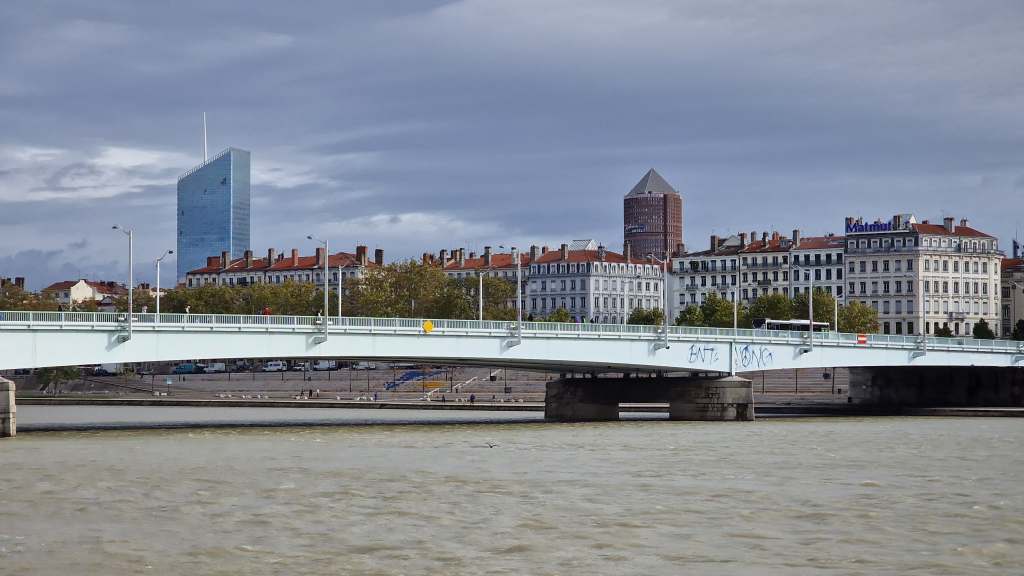
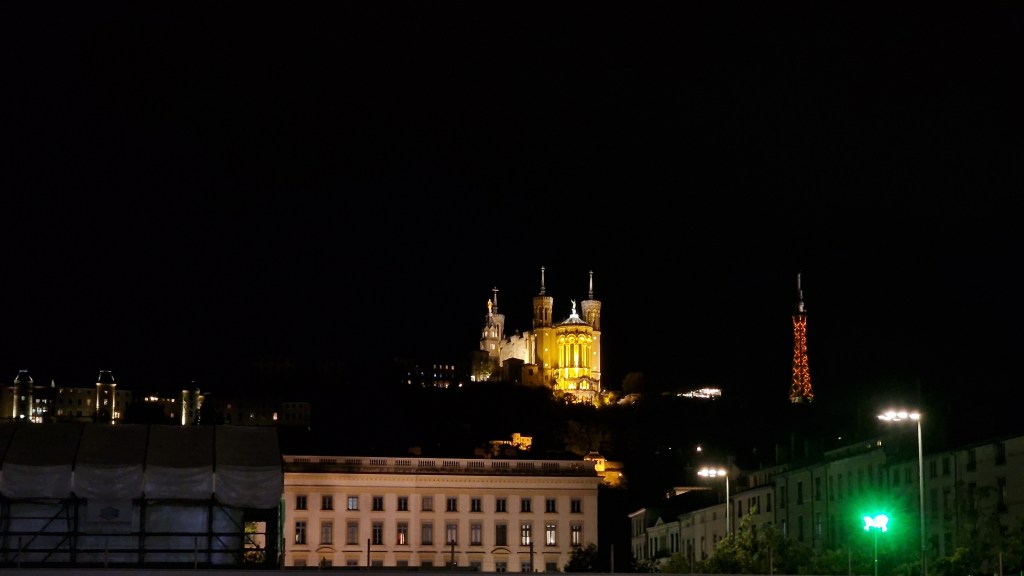
Lyon is more than just a city; it is a memory etched in the contours of my being, intertwined with the academic rigor of my Diplôme supérieur’s thesis. This city, with its historical moniker, Lugdunum, is an enigmatic blend of the sacred and the worldly – a center for both the influential bourgeoisie and the ecclesiastical power of the Church of France.
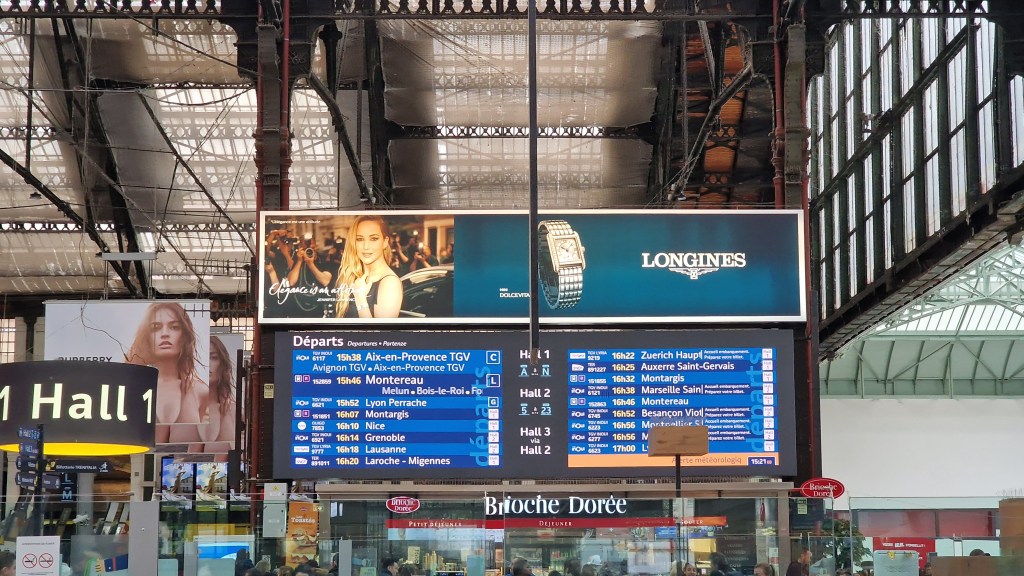
I returned to Lyon, drawn not by the allure of nostalgia alone but by the whisper of escape. An invitation from a friend to a local bistro event flickered like a beacon, cutting through the muddle of my Parisian existence. And so, with a spontaneous spirit, I rerouted my life’s itinerary for a brief sojourn. I find myself now aboard the Paris-Lyon TGV, the French countryside blurring past my first-class window at 284 km/h.
Why first class? This indulgence in first-class is a narrative of transformation. My roots, entrenched in the lower middle class of India, once viewed such luxury with a critical eye. Yet, as fate would have it, I found myself redefining my destiny. The Koromondol express First AC journey to Andhra Pradesh was a turning point; it revealed that the mastery of the French tongue could unshackle me from the confines of a preordained life.
Isn’t it a bit of a snobbery? A m’as-tu-vu, as the French say? Yes, I confess to a hint of snobbery – a trait that unsettles my dear sister back in India. I’ve become the proverbial prodigal, returning not to seek but to flaunt the spoils of European comfort. I seem to have started, as my father jestingly chides, viewing India through a lens tinted with the sterility of my European life. The once comforting aroma of street food of Kolkata now triggers in me a fear of contamination. The familial gatherings, which used to be the highlights of my visits, have become events I endure, not enjoy. I find myself critiquing the very core of what once defined me, unable to reconcile the love for my roots with the discomfort they now evoke, lavishing in the abundance skimmed from foreign shores.
And why not first-class in Paris? It’s more than a simple choice; it is a statement. In Europe, I cling to the refined echelons as a shield against the scathing judgement that often taints the air with its silent, discerning gaze. It’s a sanctuary I choose in a world where my brown skin is an unwarranted whisper of difference.
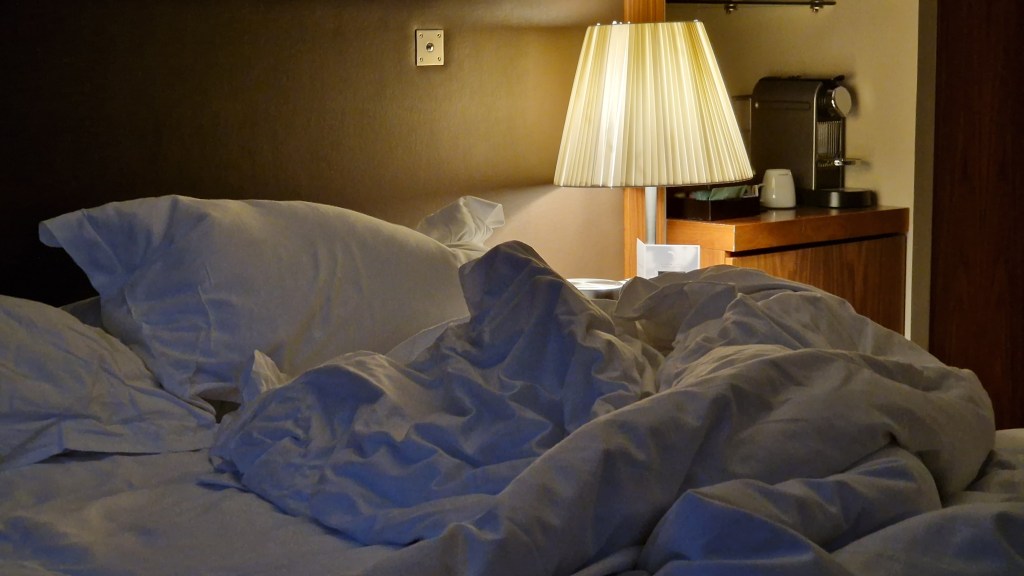
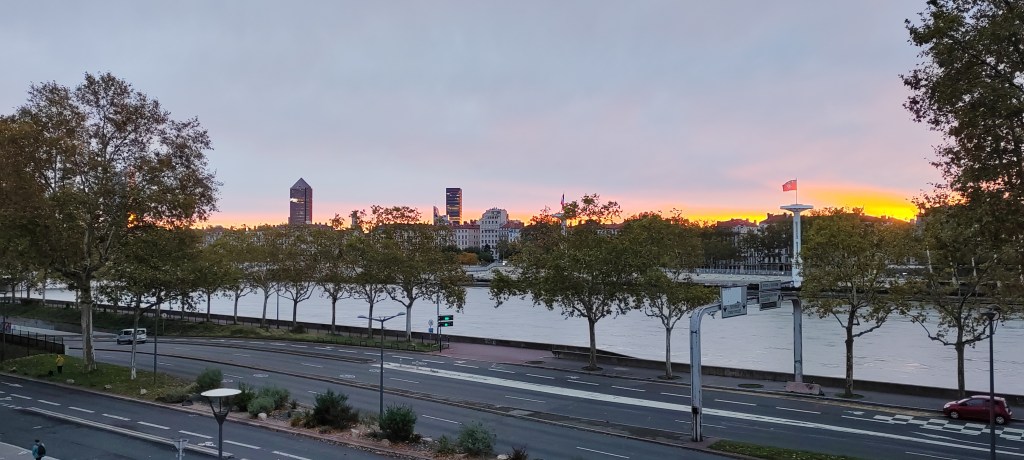
But let us end on the note of dreams – the luxurious embrace of my river-facing room at the Sofitel, where the crisp linage meets the gentle lull of the Rhône. Here, in this space of plush tranquility, I dare to dream of dreams, each weaving into the next, an endless tapestry of hopes and reveries. It is here that I find my truth, and perhaps, it is here that I will conceive the next dream that will coax my spirit to dance once more upon the cobbled stones of this ancient, noble city.
In Lyon, against the backdrop of time and tides, my narrative continues – a passionate ode to the journey, the culture, and the unyielding love that binds me to this land.
I am travelling again. And, all I wanted was to go to Prague in Czech Republic as I desperately wanted to be there because of a bridge. That bridge of « Hum Dil De Chuke Sanam« ! Do you remember the famous bridge? That scene when Ajay Devgan leaves Aishwarya to Salman… I am talking about that bridge.
I first saw the bridge in a blockbuster Bollywood movie around the extreme end of the twentieth century, in 1999. I was seventeen. I was so impressed by the grandeurof the bridge that it instantly became part of all my fantasies.
I was awaiting the moment. The moment of visiting the bridge. The moment finally came, exactly 23 years later in an odd set of circumstances.
A friend has recently moved to Prague and wanted me to be there for a long week_end. After a couple of weeks of prevarications, I finally decided to go there. All I wanted, among other things, was to see the bridge and it was just a matter of few weeks. And voilà, I would be proudly standing in front of the bridge.
My friend and his family started making plans and I applied for my day off. First, the trip was due in the first week of December but due to Covid, the airlines postponed it to the last week of January.
All was well. I was in Sweden and again applied for my time off. My request was approved by my office (in anyway, I am not paid when I am on holiday, so why bother? ) and to my utter dismay, no sooner did I a get the approval than within seconds a second mail, now from the airlines, informed me that they had cancel my flights due to Covid restrictions.
I was shocked (I am easily shocked by a lot of things)! All I wanted was to see the bridge, that particular bridge. I wanted to be there. But the only problem, cherry on top, the bridge was nowhere to be found in Prague. The film was shot in Budapest, the capital of Hungary. That’s another story, I will tell you later.
Of course you understand what I was going through the moment I realised that all my plans were about to go in vain. You are right. I was simply annoyed.
So what I did? I booked a long week-end in the Rome of France, Nîmes. And I am going there, alone, and would like you to be with me.
But if you want to know more about it and can’t wait for me to take you through, feel free to quench your thirst: https://www.nimes-tourisme.com/fr/















 Serendipity