

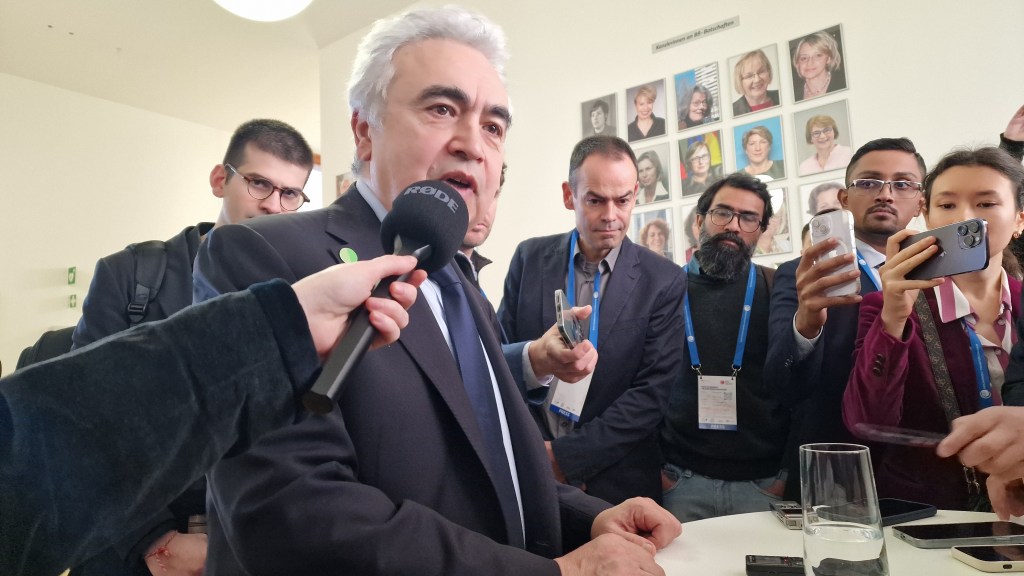
As I reflect on the recently concluded energy summit, a familiar adage comes to mind: time heals all. Indeed, in the hustle of life, the urgency of our planet’s climate challenges might slip from our immediate concerns, despite earnest calls for action, such as those from Dr. Fatih Birol, Executive Director of the International Energy Agency. Yet, amidst this ebb and flow of urgency, I can’t help but share my experiences from the Berlin Energy Transition Dialogue, a rendezvous that encapsulated more than mere discussions—it was a platform for action.
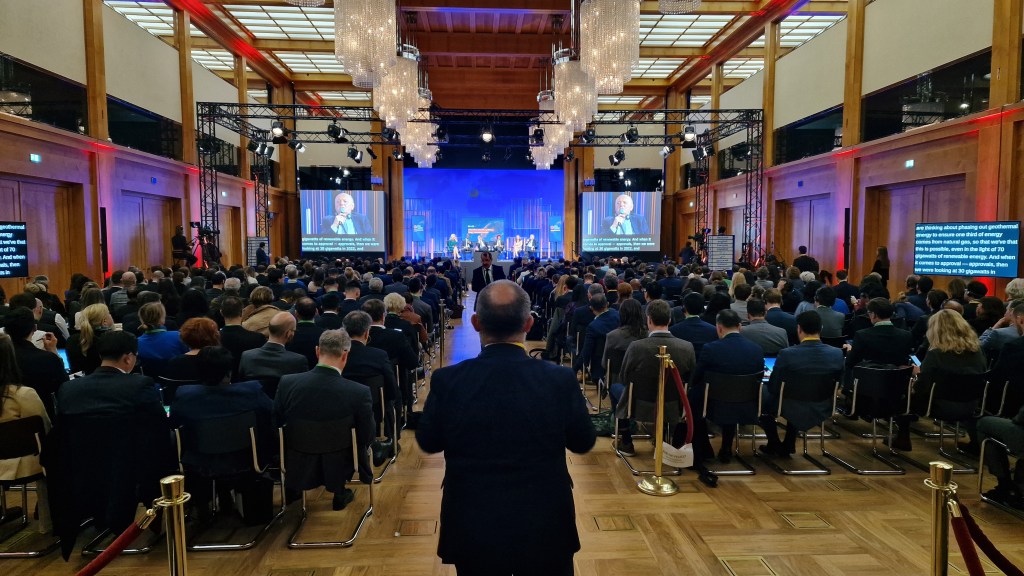
Through the power of visual imagination, picture a scenario where leaders from more than 75 nations converge, not for idle chatter but to earnestly address one of the gravest challenges of our times—the future of our planet’s energy. This wasn’t just another conference. Here, the ambition was crystal clear: a colossal task to triple our renewable energy capacity by the year 2030. It felt like we were collectively setting out to conquer three Mount Everests, having just scaled the first.
But here’s the crux: Despite a record year for renewable energy installations, we’re still trailing on this ambitious path. The Dialogue was more than an acknowledgment of this gap; it was a call to bridge it effectively.
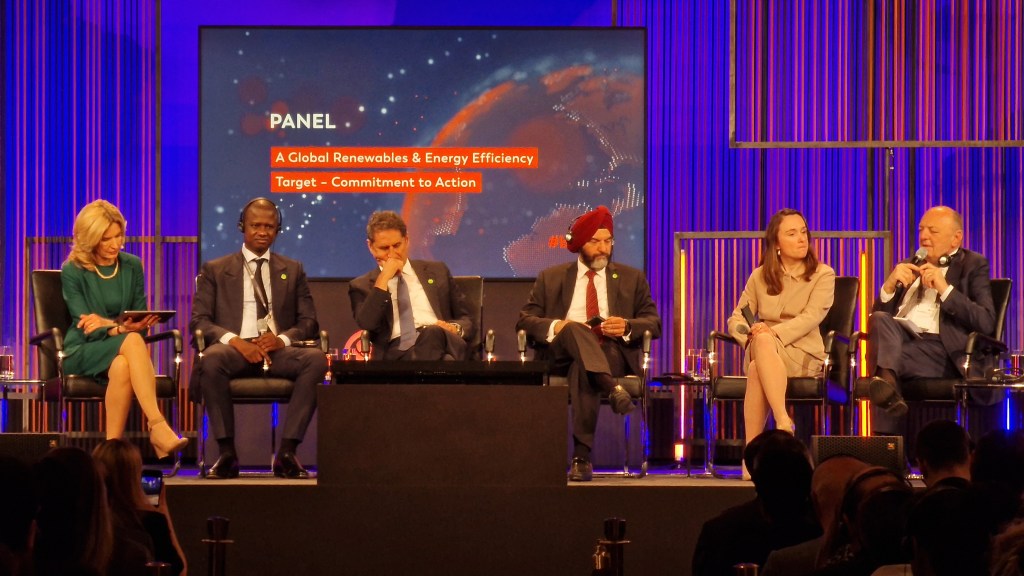
What set this conference apart was its focus on tangible outcomes. It wasn’t just about discussions; it was a crucible of action—think of it as a global workshop where brilliant minds converged to forge a sustainable future. Take, for instance, Ndiarka Mbodji, the dynamic CEO of Kowry Energy. Her pragmatic approach to making energy transition plans a reality is akin to charting a map for others in this unchartered territory.
The dialogue didn’t just revolve around saving our planet; it also underscored the critical economic facet, from creating job opportunities to illuminating millions of homes still in the dark. German Foreign Minister Baerbock’s remarks encapsulated the essence of this race towards renewable energy—not just an environmental quest but a marathon for economic and technological supremacy.
Amidst these discussions, a clarion call for global investment resonated through the halls, akin to a worldwide crowdfunding initiative for the planet, where each contribution, big or small, counts.
This story, however, extends beyond Germany’s borders. It’s a global narrative where countries contribute their unique strengths and knowledge towards a collective goal. We’re not just aiming for a distant target by 2030; we’re collectively striving to reshape our world.
Yet, life goes on, and as it does, I find myself engrossed in Netflix’s « Three Body Problem. » Its slow-paced storyline is a stark contrast to the rapid pace of global climate action. As someone who writes when a topic resonates deeply, continuing this narrative might seem unorthodox. But, in the spirit of honest discourse, I feel compelled to dig deeper.
Frankly speaking, as a writer, my pen is driven not by commissions but by a profound connection to certain topics and social issues. This personal approach means I sometimes find it challenging to venture beyond the boundaries of what’s familiar to me. I could have easily wrapped up my engagement with the energy transition summit after my last two posts and moved on to the next story in my arsenal, but there’s more that needs to be said.
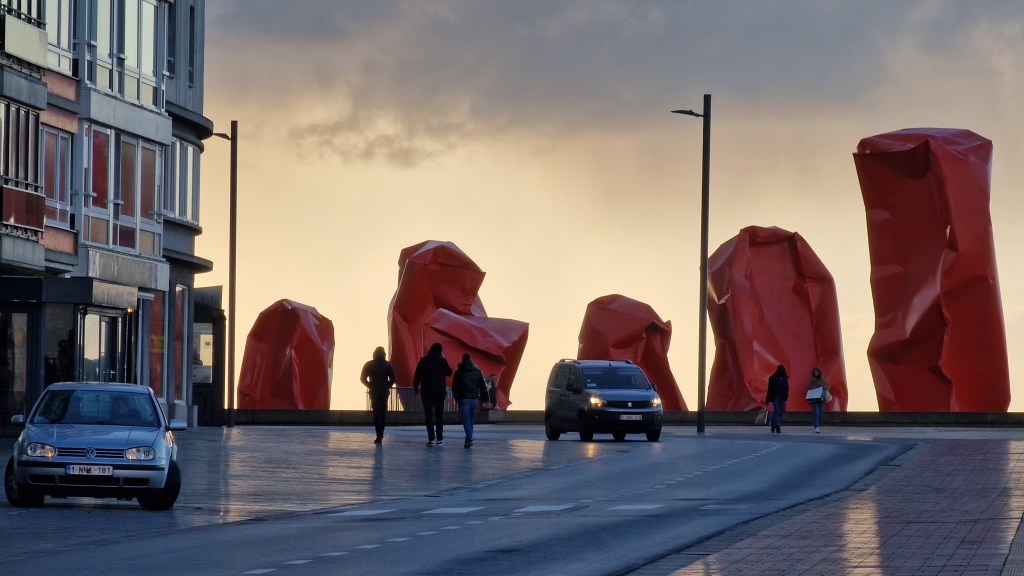
Reflecting on my own journey, I am reminded that my initial engagement with climate issues didn’t naturally stem from my upbringing. In the rhythm of an Indian household, life often follows a script that’s less about global issues and more about the daily cycle – you wake up, go to work, come home, eat, sleep, and repeat. You’re expected to adhere to societal norms – pray when you should, follow the path laid out for you, and one day, perhaps unceremoniously, exit the stage of life, incognito. Breaking free from this pattern to embrace a larger cause, like climate awareness, required me to consciously step out of this cycle and look at the world through a different lens.
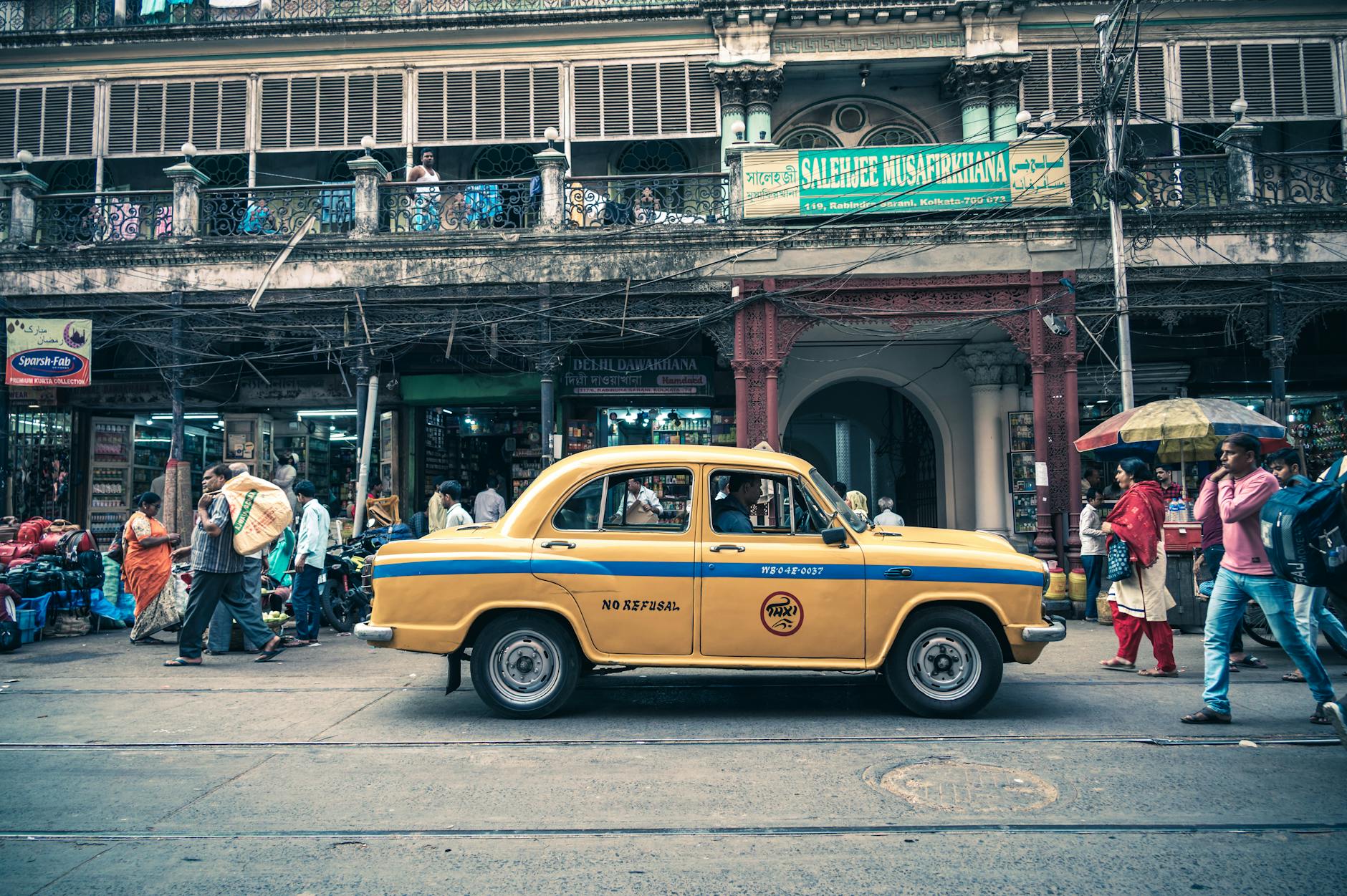
In our Kolkata home, even considering the weather was something we rarely had the luxury to do. My mother worked tirelessly, always striving to provide more than what she had, so that we could lead a happy and healthy life. The monthly expense of my grandmother’s medicines, often exorbitant, pushed trivial concerns like the weather to the far edges of my mind, replaced by a yearning for a respite from life’s relentless demands.
In stark contrast, my father had crafted his own niche, a haven of sorts, where he found his contentment. His life was profoundly influenced by the Bratachari Movement, started by Gurusaday Dutt, a civil servant from the British Raj era. This movement wasn’t just a gathering; it was a platform for awakening awareness, nurturing a sense of brotherhood, and preserving the rich, intangible cultural heritage of undivided Bengal.
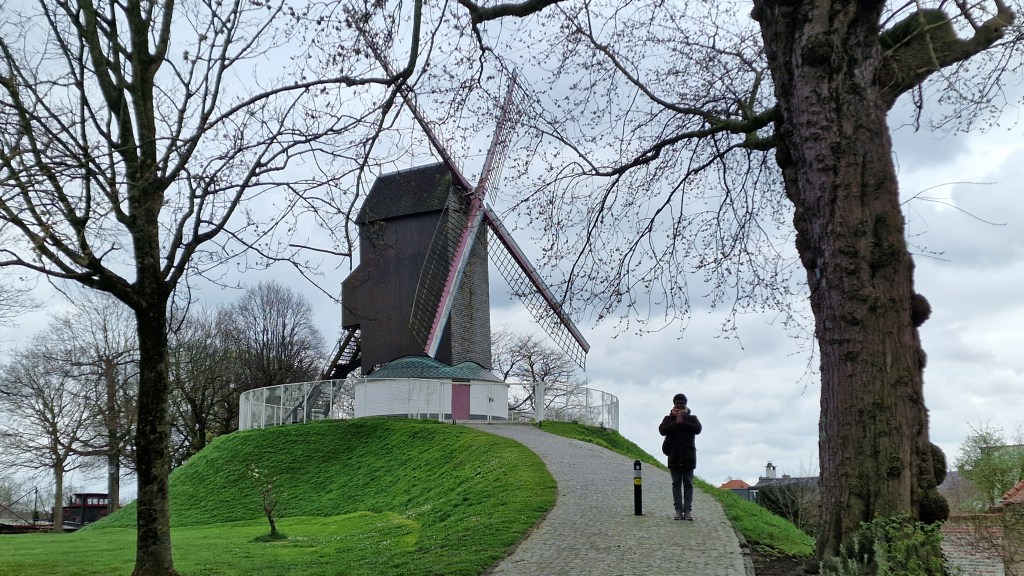
My early years were immersed in the principles and activities of this movement, especially during the Christmas holidays at the Bratachari Camp in Thakurpukur, located on the southern fringes of Kolkata. There, as opposed to our everyday life where the weather seldom crossed our minds, we engaged in nurturing our surroundings and establishing a connection with nature. It was a time to embrace our roots, to bask in the pride of ‘Shonar Bangla’, the Golden Bengal. This juxtaposition of the everyday struggle for survival at home against the backdrop of the enriching, nature-centric life at the camp significantly moulded my perspective on life. It confused me.

The mix of experiences from my childhood, oscillating between the mundane and the culturally rich, was something I found intriguing, though I never felt compelled to unravel it. Yet, as I grew older and encountered some unexpected realities, my sense of concern deepened. This prompted a shift in focus; I began to seek connections with friends, family, clients, and collaborators to understand their perspectives on climate change.
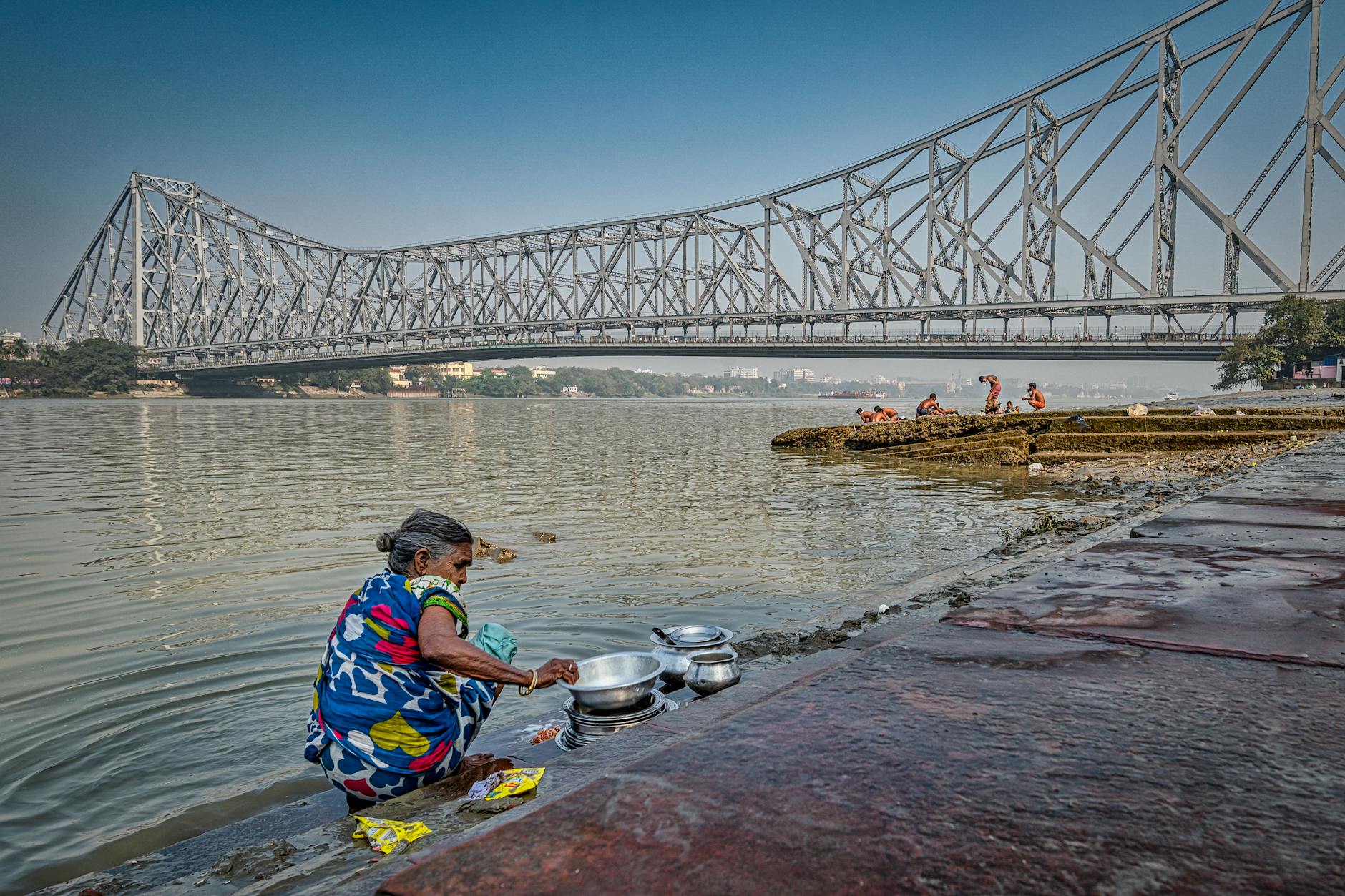
Living in Paris, it often feels like we’re in a maze regarding our role in addressing climate concerns. We find ourselves caught in a whirlwind of media-induced guilt, though we’re far from being the sole architects of these global challenges. The narrative is often skewed, painting us as the culprits, when in reality, our contribution to these issues is considerably smaller.
One of my clients recently shared with me his simple desires: a warm room to wake up in, a hot bath, an organic but affordable breakfast, a meaty lunch, a soothing cup of organic green tea upon returning home, followed by a dinner of quiche made with free-range eggs. This, in his eyes, is his connection to the climate issue. It’s a perspective that echoes the sentiments of many, where everyday comforts and lifestyle choices intertwine subtly with the broader climate conversation.

He’s content as long as his basic needs are met without stretching his means too thin. However, when the guise of climate change leads to escalating prices for essential items at local grocery stores, coupled with the media’s barrage of self-blame, it raises his awareness. This shift in perception is one of the reasons I found the Berlin Energy Summit remarkably clear and approachable. While discussions ensued and leaders exchanged pointed remarks, the summit presented these complex issues in a way that was understandable and relatable to the general public.
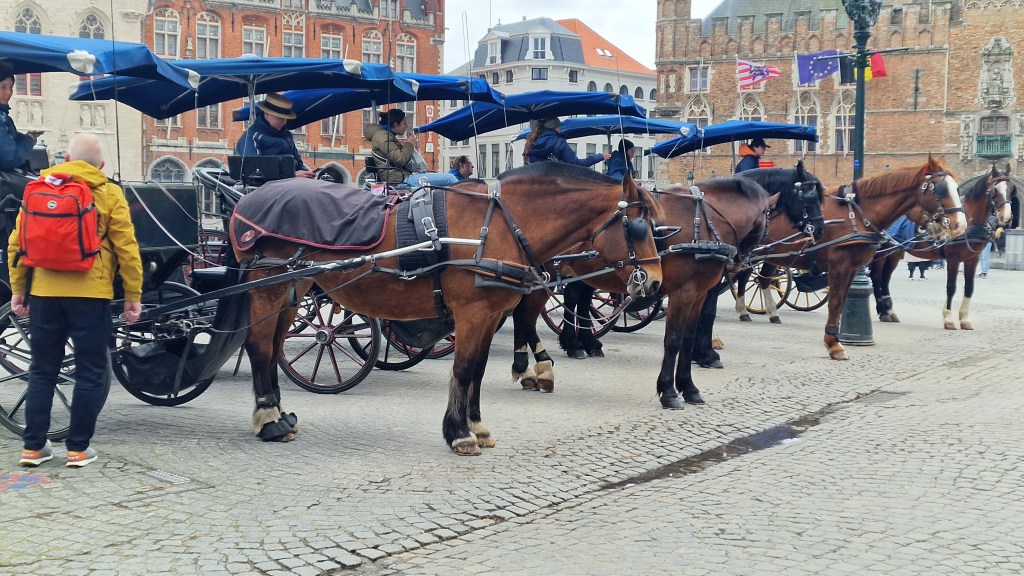
As I mentioned earlier, my aim is to demystify the concept of energy transition, bringing it down to the grassroots level. This led me to get into the local fabric of France, the ‘terroir’ of its local communities, known as ‘les collectivités territoriales’. To gain deeper insights, I reached out to Cécile Raquin, the head of these local authorities, and Fabien Moigne, the Director of Risks and Prevention at the Paris Fire Brigade.
The French ‘collectivités locales’ or the DGCL acts as the main liaison for local authorities across France. It is tasked with shaping policies affecting these authorities, allocating state financial assistance to them, and setting standards for the roles of elected officials and staff. Additionally, it outlines strategic directions for national and European cohesion and urban policies.
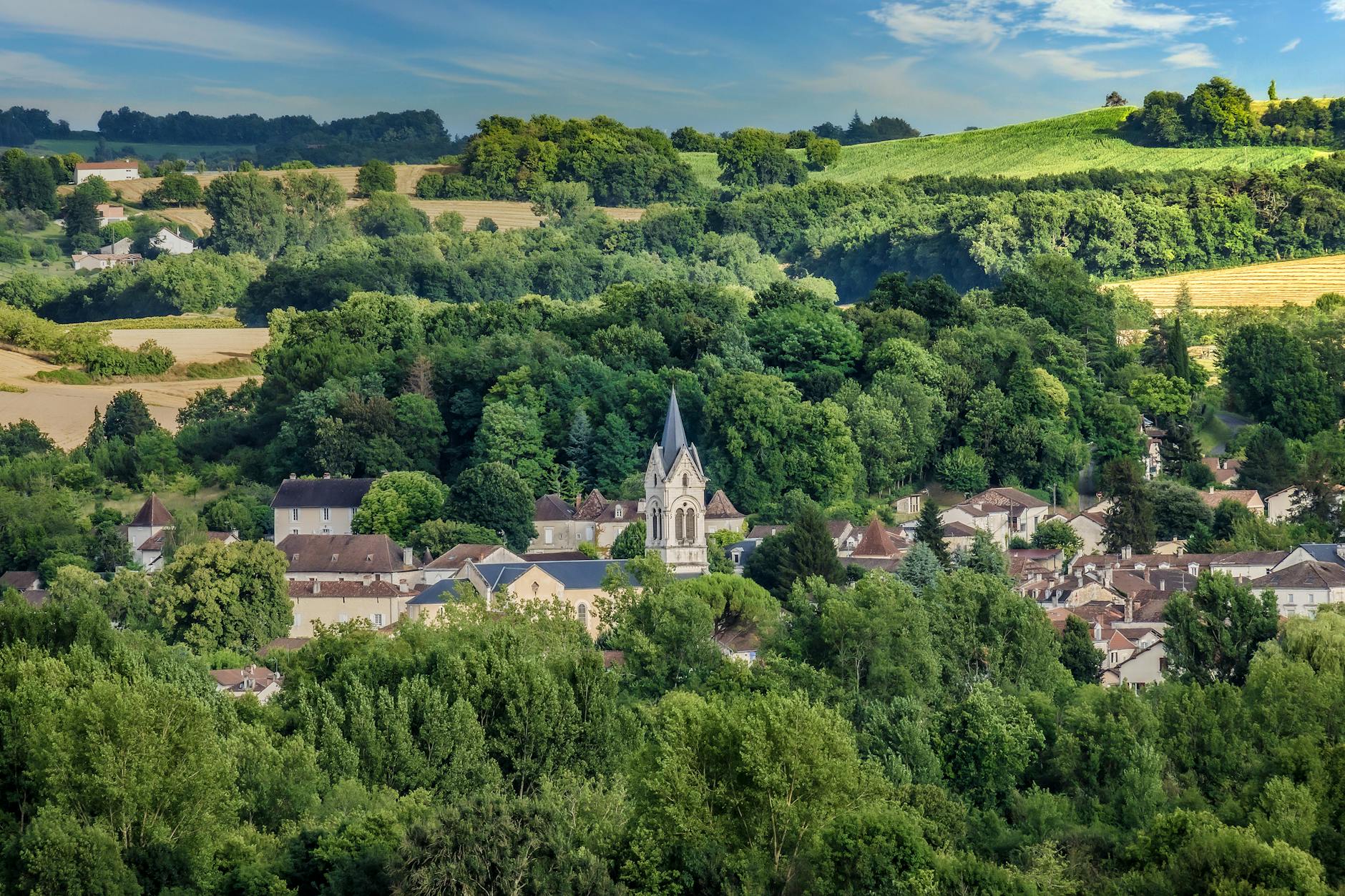
I was initially unsure if Cécile Raquin would agree to an interview, but to my pleasant surprise, she offered a deep dive into how French local authorities are weaving energy transition goals into their developmental fabric. Her insights illuminated the strategic use of tools like the ‘Green Fund’ and various regional investment grants. Cécile’s responses highlighted the vigorous efforts at the local level to champion environmental and ecological transition projects, aligning seamlessly with national sustainable development aims.
Then there was my interaction with Fabien Moigne from the Paris Fire Brigade. Awaiting his approval felt like an eternity, but it was worth the suspense. Venturing into a discussion about energy transitions with the Paris Fire Brigade, known for their annual calendar featuring the Herculean, Eros-like figures of their firemen, added a layer of allure to the topic. Framing my questions around how these energy shifts impact emergency services, I aimed to unveil the less-discussed yet crucial side of this transition.
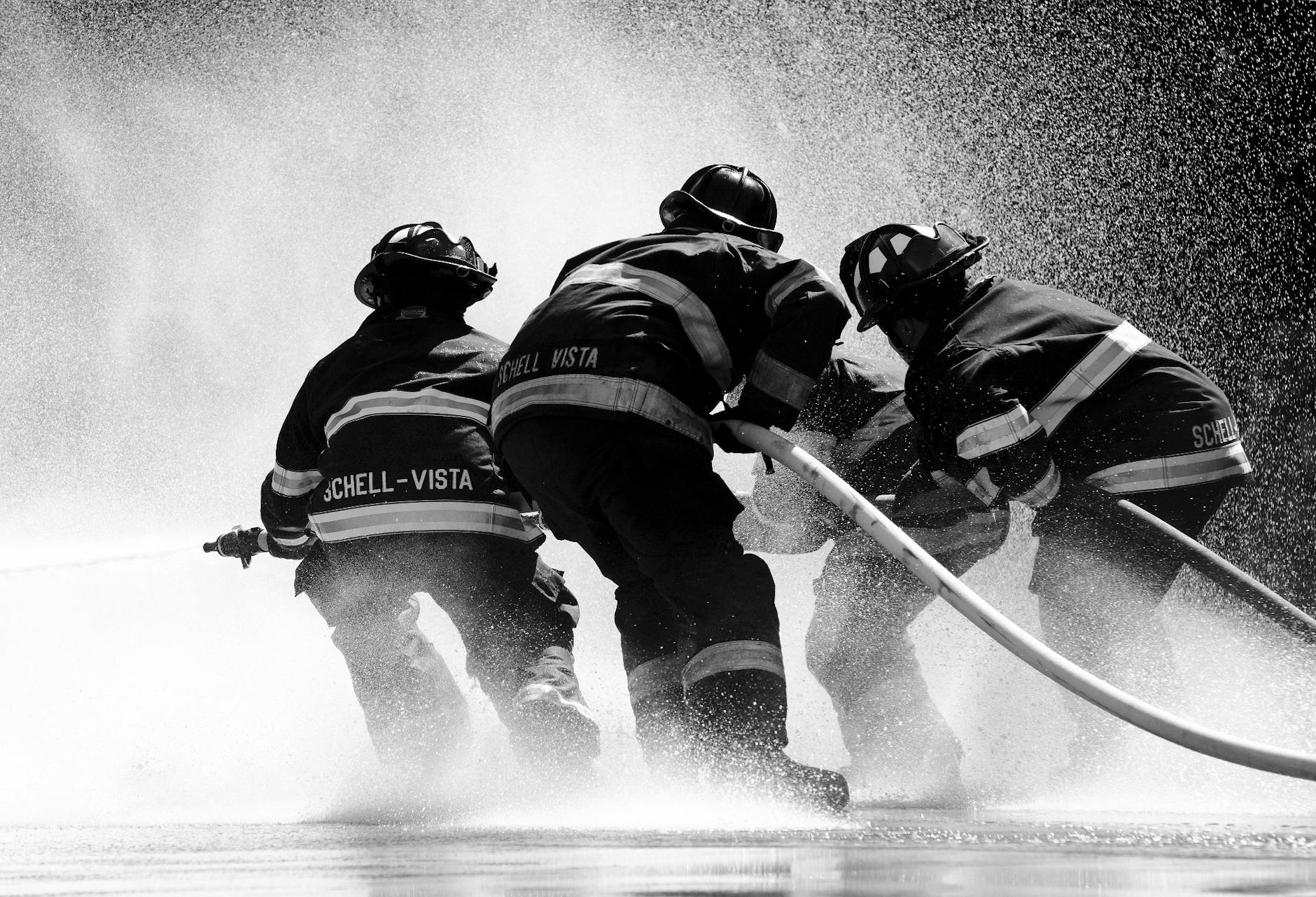
These interviews together paint a dynamic, almost mythological scene of how energy transitions are navigated across France’s societal fabric. From policy-making and public involvement in local government to the practical, and often heroic, adaptations in emergency response services, these dialogues offer a rich, multifaceted perspective on the journey of energy transition. Despite this write-up stretching beyond my initial control, I am eager to share these woven, captivating narratives with you.
Cécile Raquin, Director , Directorate General of the Local Authorities, Ministry of Home Affairs, Govt of France
Writtwik: How do French local authorities integrate energy transition goals into their local development plans, and what impact do these strategies have on sustainable development and achieving national energy objectives? (Comment les collectivités territoriales françaises intègrent-elles les objectifs de la transition énergétique dans leurs plans de développement local, et quelle est l’impact de ces stratégies sur le développement durable et l’atteinte des objectifs nationaux en matière d’énergie ?)
Cécile Raquin: French local authorities are significantly integrating energy transition goals into their local development plans, as evidenced by the presentation made to community representatives about the « green fund. » The investment grants provided under the Rural Action Plan or DETR (Dotation d’Equipement des Territoires Ruraux) and the Local Investment Support Grant or DSIL (Dotation de Soutien à l’Investissement Local) programs indicate a strong focus on environmental and ecological transition projects.
In 2022, these types of operations were the second most financed theme under the DETR, both in terms of the number of projects and the amount of subsidy awarded. This shows a substantial commitment at the local level to environment-friendly projects, which in turn supports the broader national goals of sustainable development and ecological transition.
Moreover, the ‘Green Fund,’ a new financial support tool for local communities, was established in 2023 with a budget of 2 billion euros and has been met with great success. Its resources were fully utilized to finance essential projects for mitigating and adapting to climate change. This fund will continue into 2024 with an allocation of another 2 billion euros.
Writtwik: Considering the challenges and opportunities related to financing energy transition initiatives at the local level, what innovative approaches are being adopted by local authorities to mobilize resources, in partnership with the central government and private sector players? (Face aux défis et opportunités liés au financement des initiatives de transition énergétique au niveau local, quelles sont les approches innovantes adoptées par les collectivités pour mobiliser des ressources, en partenariat avec le gouvernement central et les acteurs privés ?)
Cécile Raquin: Local French authorities are utilizing innovative financing approaches to support energy transition initiatives, primarily through government investment grants like DETR and DSIL.
In 2022, the Rural Action Plan or DETR supported 4,459 projects in this category with a total of 202.6 million euros in commitment appropriations, representing a total amount of 744 million euros.
The Local Investment Support Grant or DSIL, on the other hand, prioritized this theme most significantly, both in terms of the number of projects and the allocation of credits. This demonstrates how local authorities are effectively leveraging governmental support to finance significant operations in the field of environmental, energy transition, and ecological projects. These initiatives not only help in meeting the local developmental needs but also align with national objectives for a sustainable future.
Writtwik: Can you share concrete examples where citizen participation has been pivotal in the success of local energy transition projects? (Pourriez-vous partager des exemples concrets où la participation citoyenne a été déterminante dans la réussite de projets de transition énergétique au niveau local ?)
Cécile Raquin: Citizens are playing a key role in transforming the way we use energy in France, and I’ve seen some inspiring examples of this. Through initiatives like Énergie Partagée, local people aren’t just onlookers in the energy transition; they’re active participants. They’re getting involved right from the grassroots level, putting their own money into renewable energy projects. This isn’t just about switching to greener energy; it’s about communities taking control and really owning these projects.
Also, it’s about keeping everyone in the loop. Énergie Partagée makes sure people know what’s happening through regular updates and events. It’s great to see folks come together, sharing ideas and experiences, and building something beneficial for all.
Then there’s Centrales Villageoises. They show how diverse and creative these local energy projects can be. Take the Centrales Villageoises de la Région de Condrieu, for example. They’ve set up multiple solar panel installations and are even exploring a smart-grid project. Or the Centrales Villageoises du Val d’Eyrieux, which has 23 installations! They’re also experimenting with something really interesting: letting people use the solar energy they produce themselves.
Each of these projects has its own unique story, but what they all share is a sense of community. People aren’t just waiting for change; they’re rolling up their sleeves and making it happen. And that’s what’s truly exciting about the energy transition in France – it’s driven by the people, for the people.
Fabien Moigne, Director of the Risk and Prevention Department, Paris Fire Brigade, Ministry of Home Affairs, Govt of France
Writtwik: How does the transition to renewable energy sources and new energy technologies affect the Brigade’s intervention protocols and methods, particularly in emergency or accident situations?
Fabien: The energy transition significantly affects the intervention protocols of the Brigade. Notably, the electrification of the vehicle fleet, the invention of hydrogen engines, and the introduction of biosourced materials in construction pose new challenges in terms of fire prevention. Unlike concrete, these combustible materials require a revision of prevention rules to incorporate these new fire risks.
Writtwik: With technological advancements in the energy sector (such as lithium-ion batteries, solar panels, etc.), how do you ensure your teams are trained and prepared for the associated risks?
Fabien: To address the new energy challenges, the Brigade is adapting by training its teams on the characteristics of new types of fires, such as those related to wooden buildings or electric vehicles. The Brigade also collaborates with experts and industry professionals to understand and better manage these risks, enriching the skills of its teams and improving intervention protocols.
Writtwik: Are there collaborations or exchanges between your department and energy sector companies to anticipate and better manage the risks associated with energy and its transition?
Fabien : Yes, there are collaborations between the Brigade and the energy sector. These exchanges enable the Brigade to enhance its understanding of the specificities of new energy technologies and adapt its intervention methods. This interaction is beneficial both for the firefighters, in terms of skills and preparedness, and for the energy sector companies, which gain a better understanding of the challenges associated with implementing these technologies.
Acknowledgements:
Cécile Raquin, https://www.collectivites-locales.gouv.fr/
Fabien Moigne, https://pompiersparis.fr/
Matthieu Angotti, https://agence-cohesion-territoires.gouv.fr/
Ute Swart, https://www.energydialogue.berlin/press/
Aniruddha Barua, Photographer, London




 Serendipity