

To my friends and readers, here’s a candid confession! Simplifying the intricate world of energy-related topics can be quite the challenge. I always try to maintain your interest without overstretching your patience, though I admit, sometimes I might miss the mark. My goal isn’t just to keep you scrolling through my blog, but to offer substantial content that often gets overlooked in mainstream outlets. Yes, I could easily churn out answers in my unique style, creating an unending stream of content just to stay in the loop, but that’s not my cup of tea. I am highly ethical and close to being a Saint. So, I hope you’ll bear with me as we take a plunge into a story that’s not exactly a piece of cake to simplify – a story filled with nuances, ambiguities, and a need for a polish here and there.

Photo: Blogger
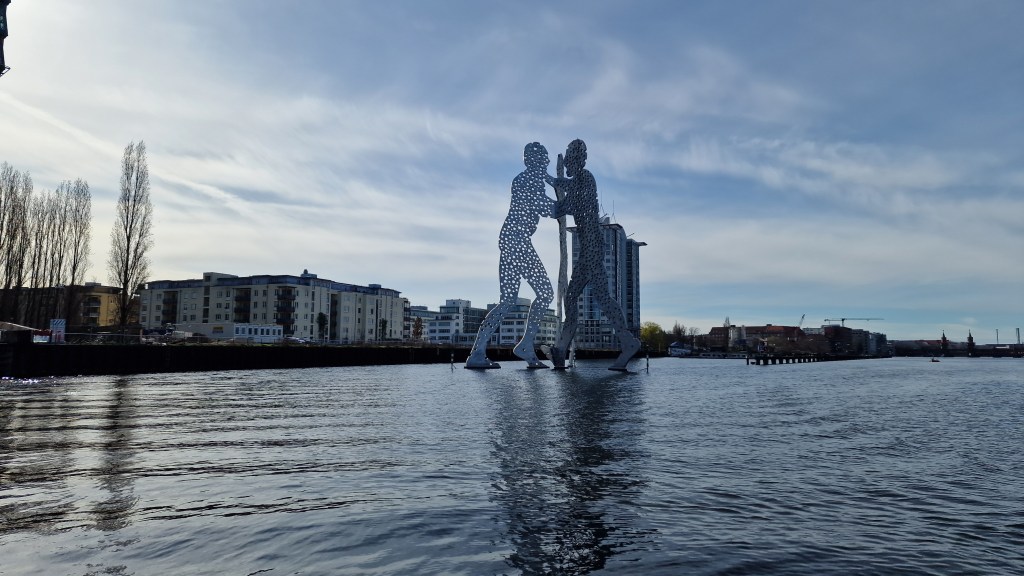
So, allow me to take you on a journey into the German notion of accountability in energy transitions, and trust me, it’s a risk I’m willing to take to bring you closer to this concept. I’ll be incorporating observations from the boat ride hosted by DENA, the German Energy Agency on 18th March, as a side event of #BETD24. During the boat ride, we got a glimpse into the world of energy innovation. On this journey, they introduced us to three unique companies striving to leave their mark on the global stage, amidst a sea of thousands aiming for international recognition. It was indeed an enlightening experience.
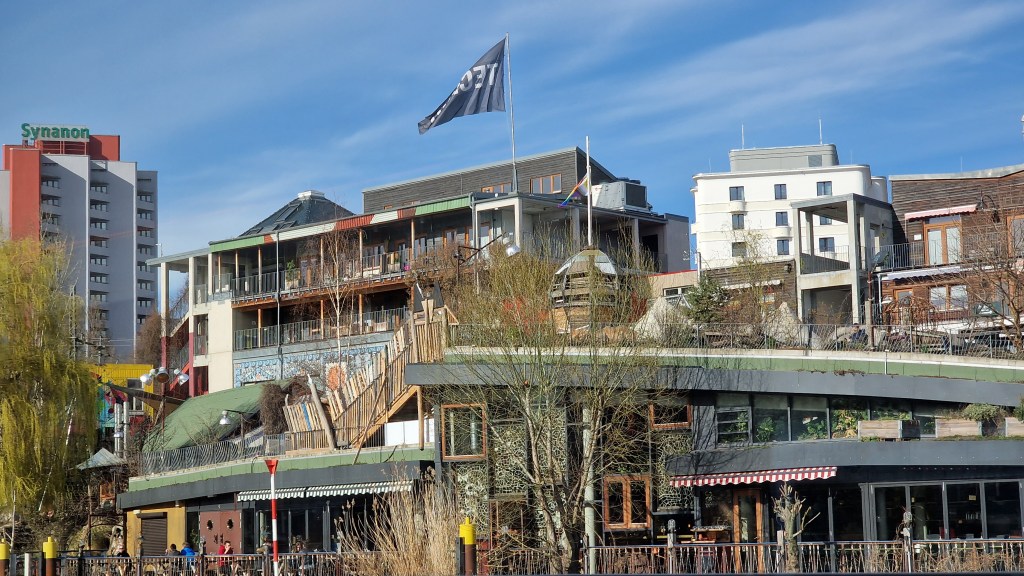
Photo: Blogger
Developing this story is perhaps going to be a tough one. Therefore, I’m all ears for discussions and welcome any corrections to my understanding, largely derived from online resources courtesy of my memberships with the BNF and INHA. Yes, energy has indeed played a role in the history of art in Europe, as I’ve learned from stories shared by my German friends’ families. Please see reference section below.
Now, let’s get into the complexity of accountability in energy transitions within Berlin’s historical and spatial context over the past century. This city, transitioning through various political regimes, from democracy to state socialism, offers a unique lens to view how accountability in energy transitions has been molded by the political constructs of each era.
Accountability in Berlin’s energy infrastructure today is more than just a minor concern. It’s fueled by public demand for democratization in decision-making processes. Movements like the Berlin Energy Roundtable and Citizen Energy Berlin have reshaped energy policy debates around participation, transparency, and, of course, accountability. Coming from France, I must say, the effectiveness and transparency of German processes are something to behold, no joke intended. These movements have influenced city government policies, paving the way for a public energy utility to rival private entities, marking a shift towards governance that’s more accountable and focused on consumers.
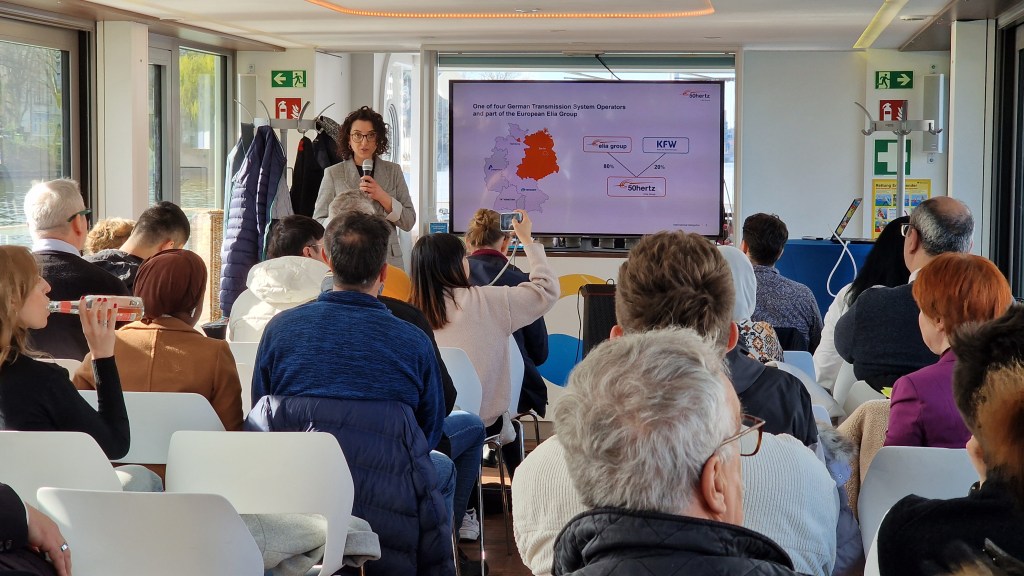
Photo: Blogger
Exploring urban energy democracy in Berlin provides insights into how accountability is being framed and institutionalized today. But to truly grasp this concept, one must peek into the historical backdrop of the city’s energy policies. It’s not just about the contemporary low carbon transition; it’s about understanding the various phases of energy transition and the evolution of accountability and legitimacy in each period.
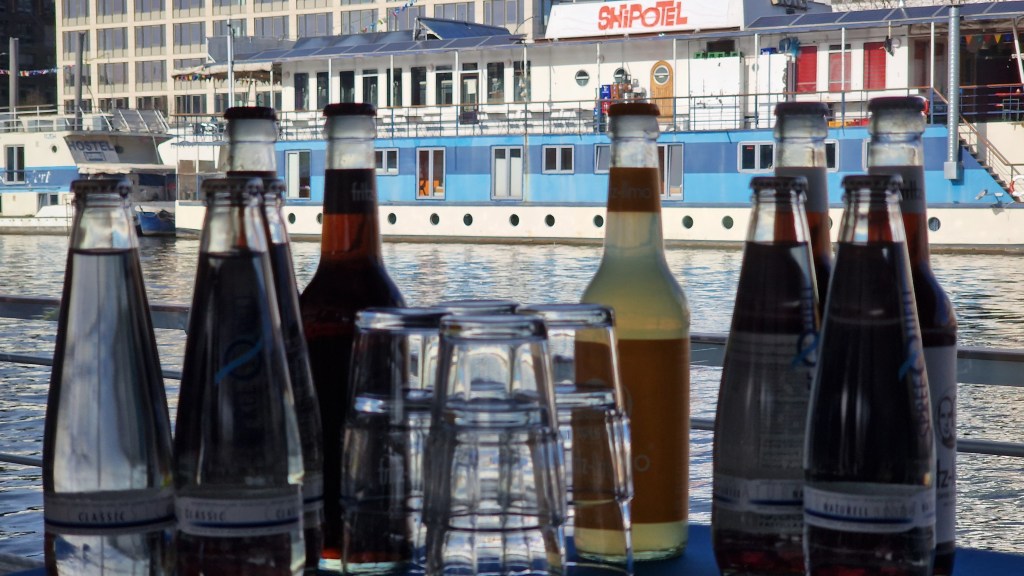
Photo: Blogger
With Berlin’s energy transition over the last century in mind, I’ve identified three themes in Energy Transition that I believe will clarify the core concept for us all and also tried to furnish a consolidated timeline in order to facilitate our reading: Innovation and Diversification of Energy Sources, Infrastructure and Modernization and Sustainability and Circular Economy. To complement, I have brought back the topic of semiconductor as well.
Innovation and Diversification of Energy Sources:
1920s – 1940s: The energy sector was dominated by coal and water power, with limited electricity usage in households.
1950s – 1960s: Oil emerged as a new source of energy.
1970s – 1980s: The beginning of diversification with the rise of nuclear energy.
1990s – 2000s: The adoption of wind and solar power marked the beginning of a more diverse energy mix.
2010s – 2024: Continuous innovation led to the growth of decentralized energy systems and smart energy technologies. The Industry 4.0 movement brought about a significant transformation in energy usage in manufacturing, focusing on automation and efficiency. ENERTRAG’s development of combined power plants points to the need for diversified renewable energy sources for reliability and efficiency.
Infrastructure and Grid Modernization:
1950s – 1960s: Post-WWII electrification of households expanded, and oil began replacing coal for home heating and industrial use.
1970s – 1980s: Nuclear power plants began contributing significantly to the energy mix.
1990s – 2000s: Deregulation of the energy market facilitated the development of modern energy infrastructure.
2010s – 2024: Germany saw significant advancements in energy storage technologies and the integration of renewable energy sources into the grid. The development and expansion of electric vehicle infrastructure represented a major step in modernizing the energy infrastructure. 50Hertz’s role in expanding energy grids highlights the importance of infrastructure in integrating renewable energy sources
Sustainability and Circular Economy:
1970s – 1980s: The energy crises led to heightened awareness of conservation, ushering in energy-efficient appliances and insulation techniques in homes.
1990s – 2000s: With an increased focus on renewable energy, there was a significant push towards sustainable energy practices.
2010s – 2024: The Energiewende policy emphasized a transition to renewable resources, supporting a shift towards a more sustainable and circular approach in energy use. The expansion of decentralized energy generation, including residential solar panels, and the growth of smart home technologies for efficient energy management further bolstered this shift. SunCrafter’s initiative with second-life solar modules illustrates a move from traditional consumption models to sustainable circular economies.
The integration of renewable energy in semiconductor manufacturing, as discussed in my previous interview questions, highlights the interconnectivity of different industries in the energy transition. Policies and incentives for eco-friendly practices in sectors like semiconductors may point towards a holistic approach to sustainability across industries.
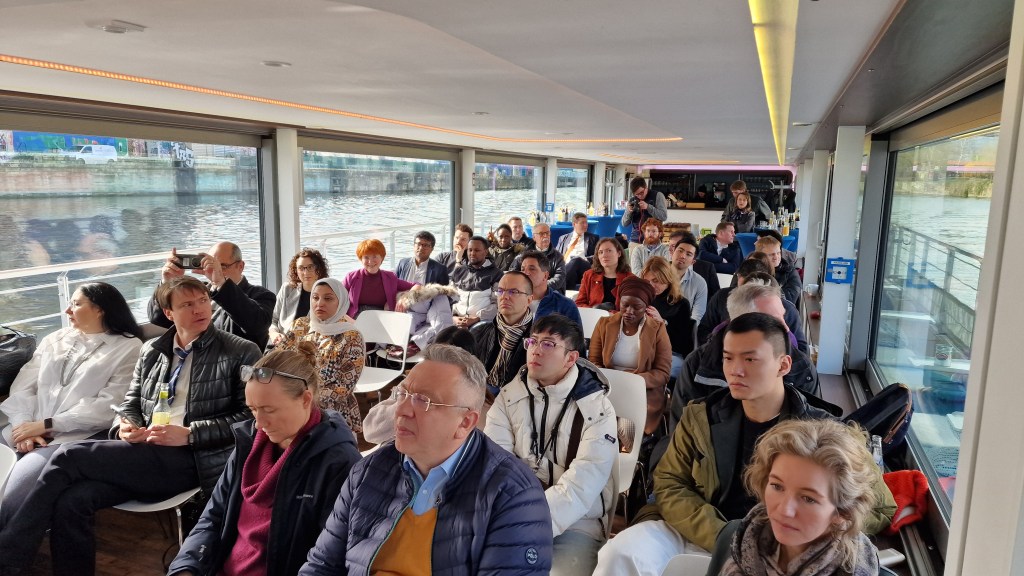
Photo: Blogger
Collaborations between countries and global entities in renewable energy underscore the importance of international cooperation in achieving global sustainability goals and that’s why I had to ask a specific question on Global South to a career diplomat of India who is currently serving his mission somewhere in eastern Europe.
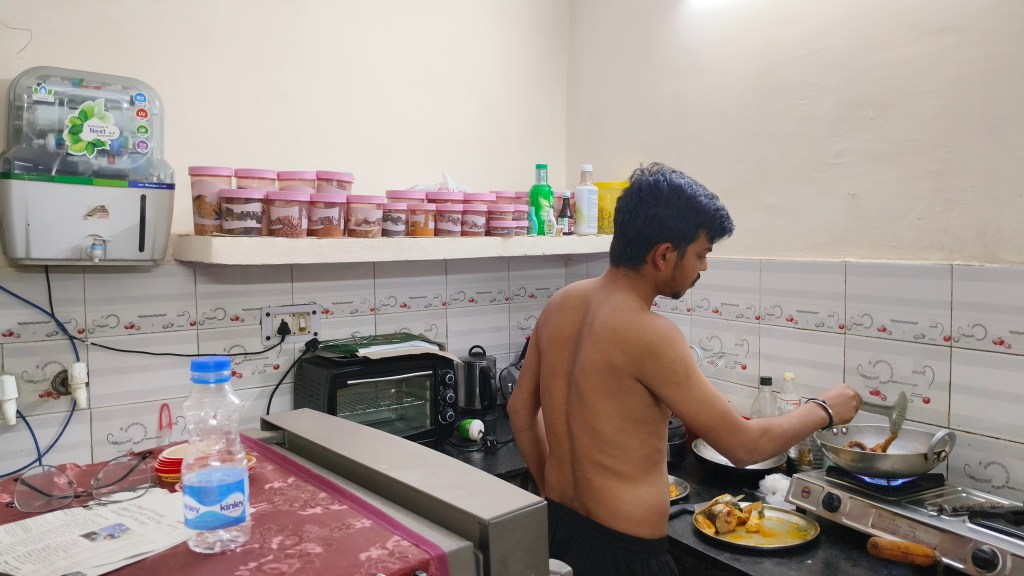
From coal to gas and now to OTG (Oven-Toaster-Griller), India’s own energiewende in a nutshell
I asked: In light of India’s significant advancements in renewable energy, what strategies could be implemented to extend support and share best practices with the Global South countries, particularly in areas like solar energy, energy efficiency, and sustainable infrastructure development? How can India leverage its own experiences to create a more inclusive and sustainable energy transition in developing nations?
What he answered: In response to how India can extend support and share best practices with the Global South, a key strategy is the promotion of solar energy. our membership in the International Solar Alliance (ISA) positions us well to facilitate this. Additionally, we can make solar panel technology and photovoltaic plant technology more accessible to developing nations through lines of credit (LOC) or soft loans. This approach would enable us to leverage our own renewable energy advancements to assist in facilitating a more inclusive and sustainable energy transition globally.
In conclusion, drawing from Germany’s diverse historical experience and its evolving story of accountability, the energy transition is recognized as much more than a simple switch from fossil fuels to renewable sources. It’s a multi-faceted metamorphosis that spans innovation, infrastructure development, policymaking, and international collaboration. Looking back at Germany’s energy evolution, from its early reliance on coal to today’s emphasis on renewables and democratic energy management, it’s clear that a sustainable energy future necessitates comprehensive and cohesive strategies. These strategies must address not just the technical aspects of energy production but also give due consideration to the environmental, economic, and geopolitical factors that influence our world. This approach, informed by historical insights and accountability principles, is essential in guiding the global shift towards a more sustainable and equitable energy environment.
I hope this write-up was not too long! Thanks.
References:
Enabling Sustainable Transition
La politique énergétique allemande: engagements, réalisations et perspectives
Transition énergétique: Comment fait l’Allemagne?
En savoir plus sur Serendipity
Abonnez-vous pour recevoir les derniers articles par e-mail.

 Serendipity
J’aimeJ’aime